William Fèvre
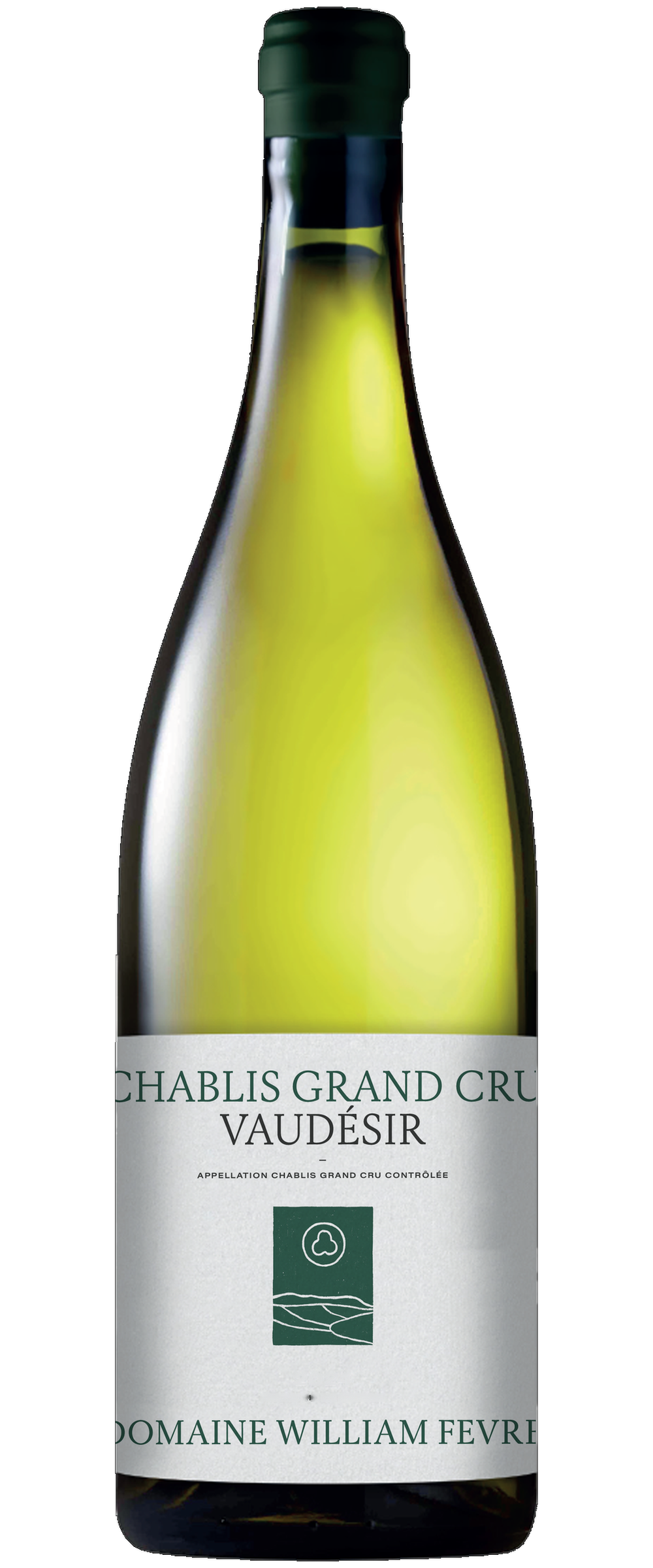
Chablis Grand Cru Vaudésir - Domaine 2024
Chablis Grand Cru

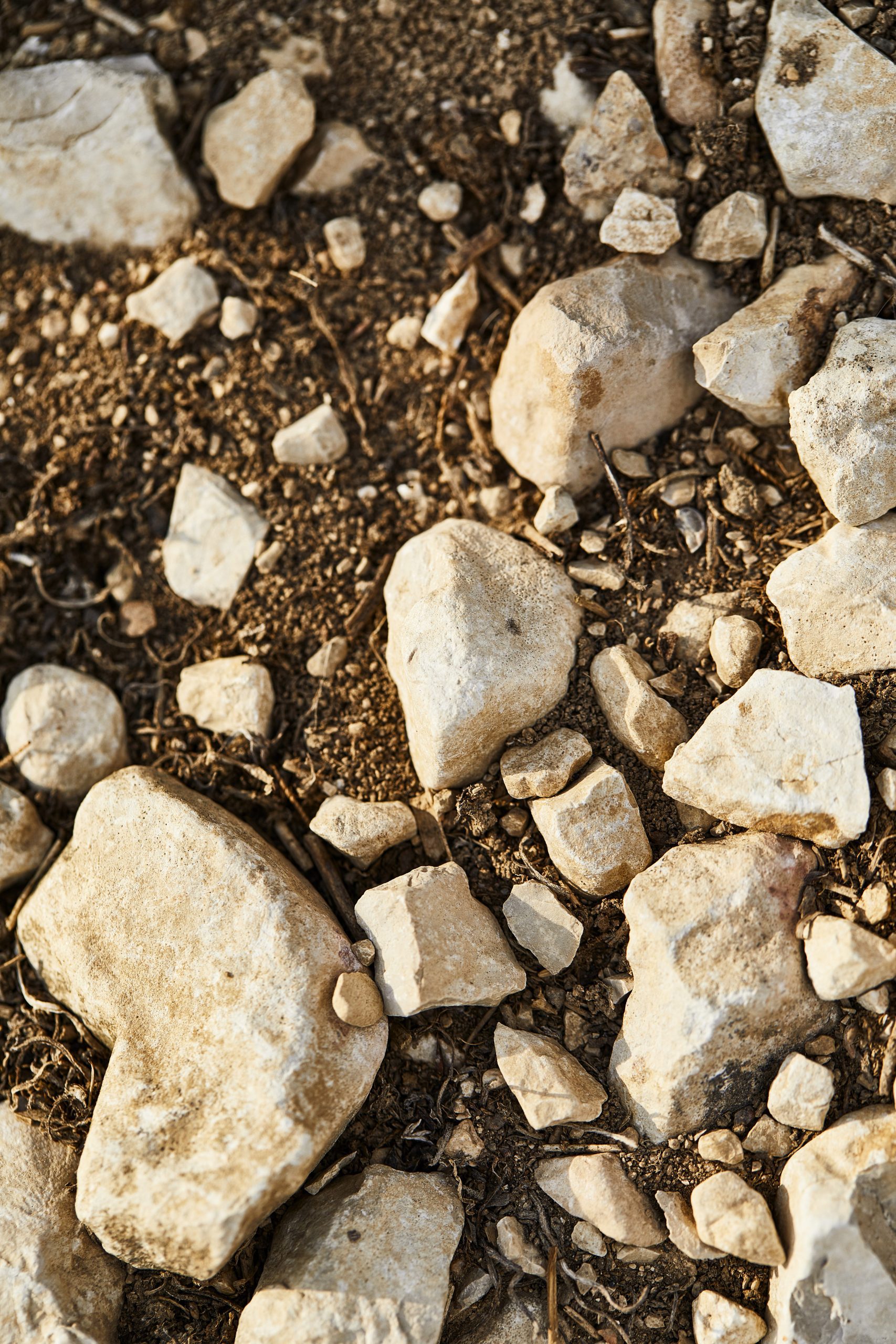
Vaudésir sits between Valmur and Les Preuses at the heart of the Grands Crus slope, covering 15.4 hectares with a dual exposure that gives it a character unlike any of its neighbors. The northern part faces due south, catching exceptional light and warmth, while the southern section turns west, tempering the wine with a cooler, more mineral influence. The terrain is very steep and more clayey than calcareous, a soil structure that drives the finesse and elegance for which Vaudésir is consistently celebrated.
Domaine William Fèvre owns 1.20 hectares here, just 8% of the appellation, entirely south-facing. It is one of the most charming and approachable of the seven Grands Crus, delightfully aromatic from a young age, with a fresh and refined nose of floral and fruity fragrances and a palate of particular subtlety: a blend of nervosity and softness, airy and round, that makes Vaudésir immediately compelling and rewarding over time.
VINEYARD
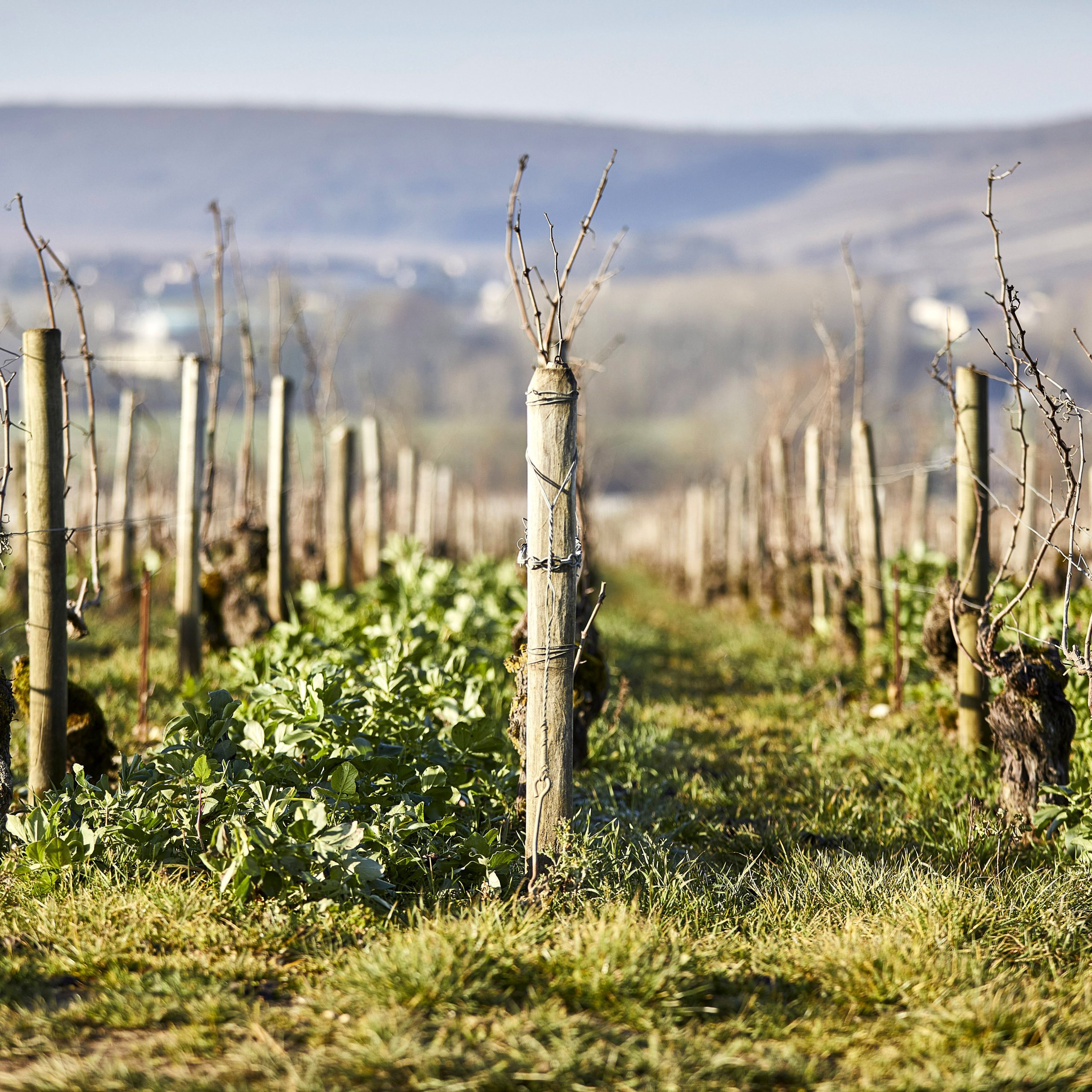
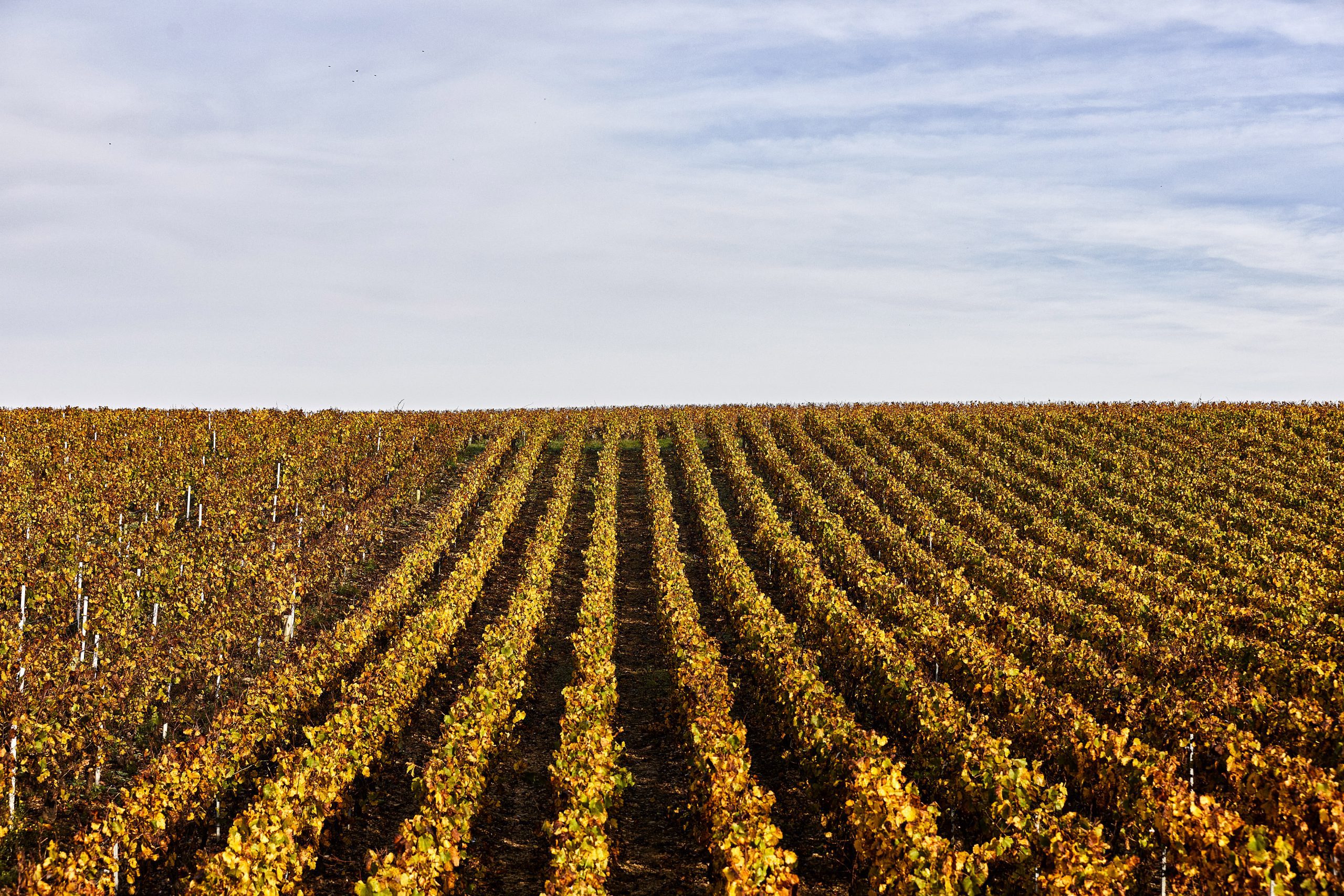
Vaudésir lies in the heart of the Côte des Grands Crus with two very distinct pieces bisected by a road. The northern hillside has a full southern exposure whereas the southern hill is exposed to the west. Fèvre owns 1.20 hectares on the northern hills, crediting its steep terrain and soils with more clay than limestone for the wine’s finesse and elegance.
WINEMAKING
Gravity is applied throughout to avoid pumping and preserve the integrity of the fruit. Short pneumatic pressing of 1.5 to 2 hours ensures a delicate separation of solids and liquids. Fermentation takes place in stainless steel vats. The wine is aged for 19 months in total, with 35% of the blend spending 5 to 6 months on fine lees in French oak barrels before finishing in stainless steel.
VINTAGE
2024 was a vintage that left a lasting impression. A mild, wet winter gave way to April frosts and a severe May 1 hailstorm that significantly affected the left bank. Fluctuating temperatures through May and June slowed flowering and brought sustained mildew pressure, with further hail at the end of July. A drier, warmer August steadied the season, and a mild September allowed the grapes to ripen fully. Harvest began September 20 in good conditions, with quality intact despite a significant reduction in volumes.
TASTING NOTE
Fresh and refined on the nose, with floral and fruity fragrances. On the palate, a delightful blend of nervosity and softness: airy and round, with a charm and subtlety that make Vaudésir compelling from a young age.
FOOD PAIRING
Steamed lobster, sole à la normande, scallop tartare, oysters with champagne mignonette, fresh goat cheese
Color
White
Blend %
100% Chardonnay
Appellation
Chablis Grand Cru
Alcohol
12.5%
Suggested Retail Price
$219
Trade Materials
Other Wines by this Producer

Chablis 1er Cru Montmains
Chablis 1er Cru “Montmains”
Montmains has a uniquely stony terroir in Chablis, stretching down one side of a valley on the left bank of the Serein.
Chablis 1er Cru Les Lys - Domaine
Chablis 1er Cru
Historically owned by French royalty, the climat of Les Lys sits towards the top of the hill in Vaillons. On the left bank of the Serein, Fèvre’s 0.99 hectares of vines grow in clay over Kimmeridgian soils, its eastern exposure producing a delicate wine with a soft, charming palate.
Chablis 1er Cru Vaillons - Domaine
Chablis 1er Cru
This left-bank cru spans a massive 104 hectares divided into 8 climats – Fèvre owns 3.65 hectares over 12 plots. One of the first vineyards to reach maturity, it shows its fast ripening in shades of peach, pineapple, and pear.
Saint-Bris
Chablis
Located southwest of Chablis, Saint-Bris is the only appellation in Burgundy that allows Sauvignon Blanc. This wine grows from northeast- and northwest-facing parcels with a mix of stones, hard limestone and clay-silt. A 12-hour pre-fermentation maceration adds to this wine’s freshness, a linearity solidified by its all-stainless-steel aging.
Chablis Domaine
Chablis
This wine is made from William Fèvre’s organic estate vineyards, with many of the parcels lying adjacent to Premier Cru sites. An attractive, fresh, and classically mineral Chablis.
Chablis Champs Royaux
Chablis
Translates to "Royal Fields", a selection from the highest quality fruit covering 37 hectares of vineyards in the Chablis appellation.
Chablis 1er Cru Beauroy - Domaine
Chablis 1er Cru
Beauroy is a cru sensitive to late frosts. So sensitive, in fact, growers created the artificial Etang de Beine at the foot of its hill both to influence its microclimate and as a water source for aspersion. Fèvre owns 1.12 hectares in the subclimat of Les Troësmes, where the steep slopes and thin clay-limestone soils give finesse and elegance to the wine while the sunny south-southeastern exposures provide a background of richness.
Chablis 1er Cru Montmains - Domaine
Chablis 1er Cru
On the left bank of the Serein, Fèvre owns 3.68 hectares with vines in each of the climats off this Premier Cru. The parcel in Butteaux gives minerality, Forêts – fruitiness, and Montmains – richness. The vineyard has a uniquely stony terroir that grows an accessible, fresh wine in its youth that has the power and concentration to age.
Chablis 1er Cru Fourchaume
Chablis 1er Cru
Fourchaum is situated on the opposite face of the hillside on which Grand Crus Les Preuses and Bougros sit. Fèvre’s holdings are on the eastern side of the vineyard, as close as one can get to the Grands Crus without crossing over. The soils resemble their storied neighbors and grow similarly powerful wines, perhaps with a shade more freshness.
Chablis 1er Cru Montée de Tonnerre - Domaine
Chablis 1er Cru
The Montée de Tonnèrre wraps around the hillside immediately east of the Côte des Grands Crus. Its geological profile closely resembles the Grands Crus and as such is considered one of the finest Premiers Crus. Fèvre’s holdings are in three lieux-dits on the crest of the hill with exposures ranging from southwest to south to southeast. Both full and rich while holding onto mineral and floral characters, the wine shows intensity and complexity in its youth, and will develop subtlety as it ages.
