Rotem and Mounir Saouma
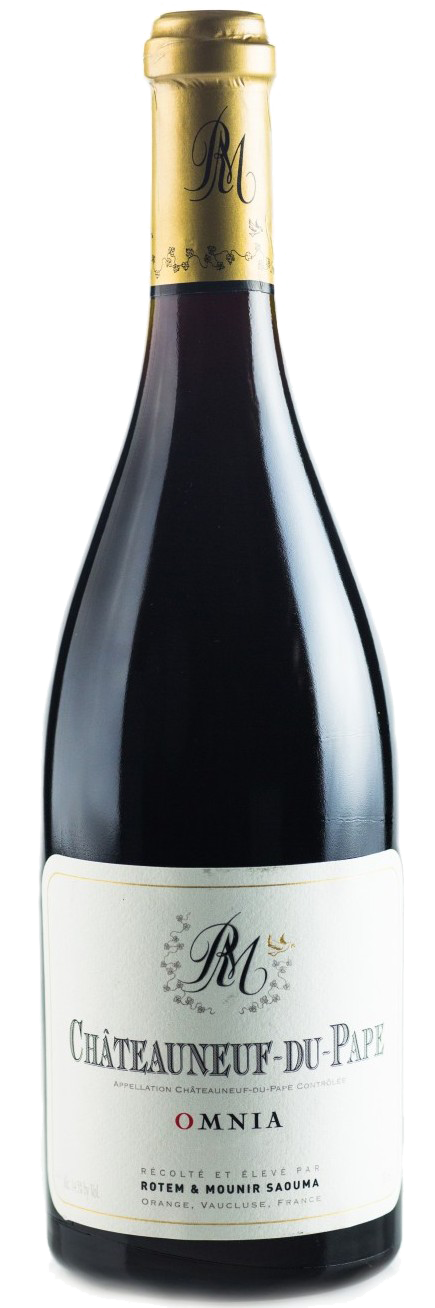
Châteauneuf-du-Pape Omnia 2023
Chateauneuf-du-Pape

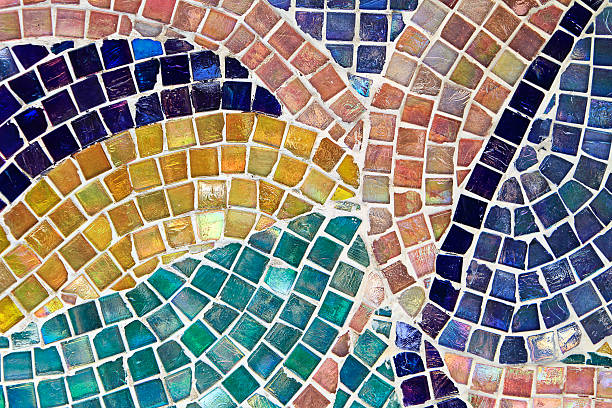
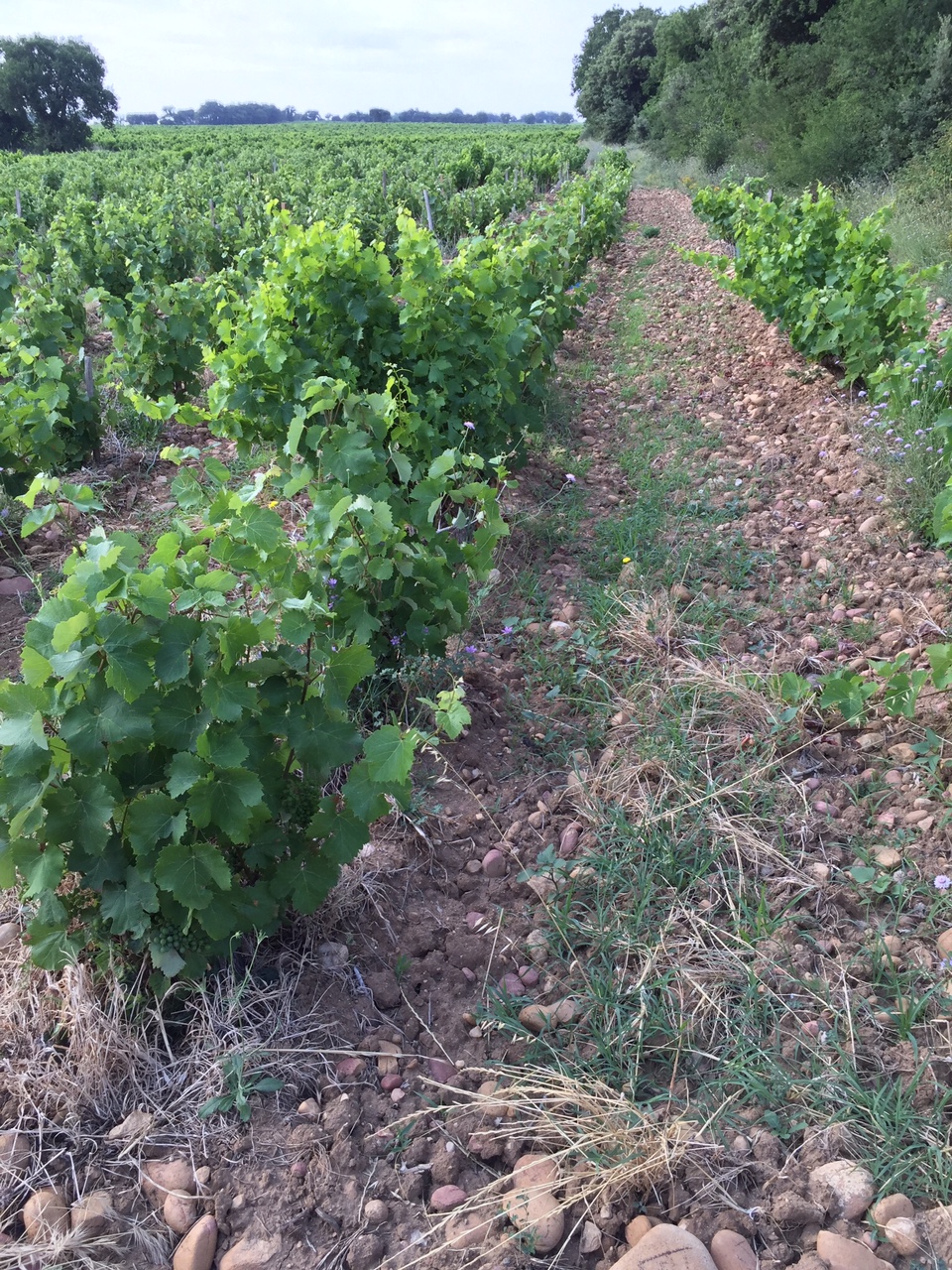
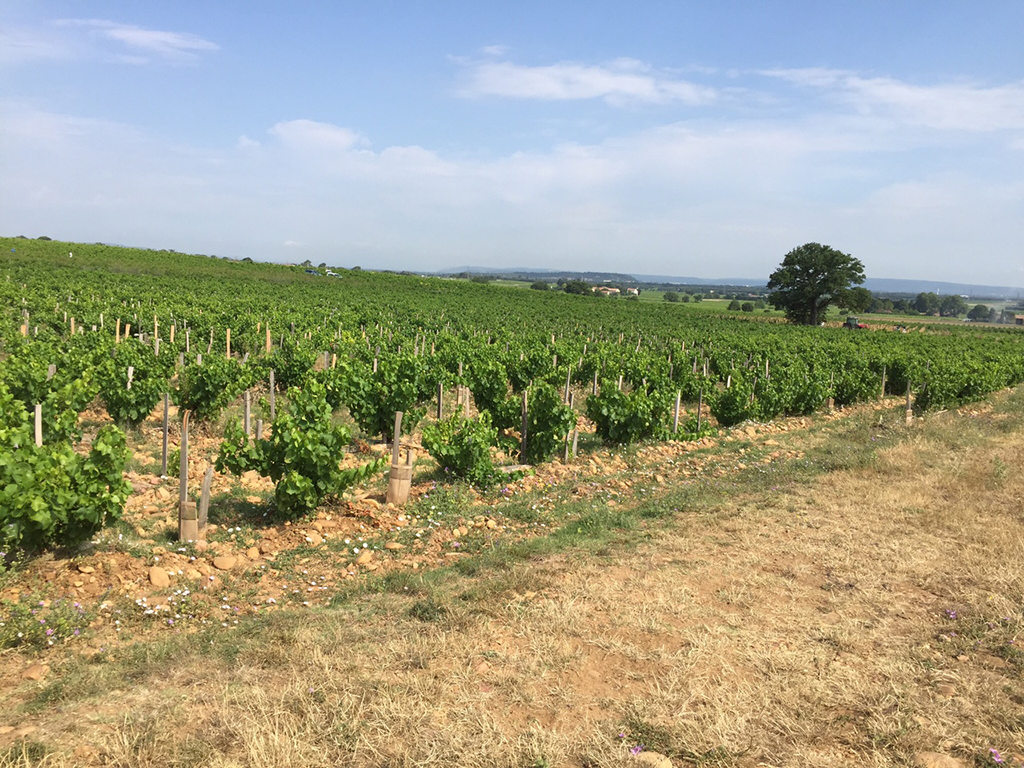
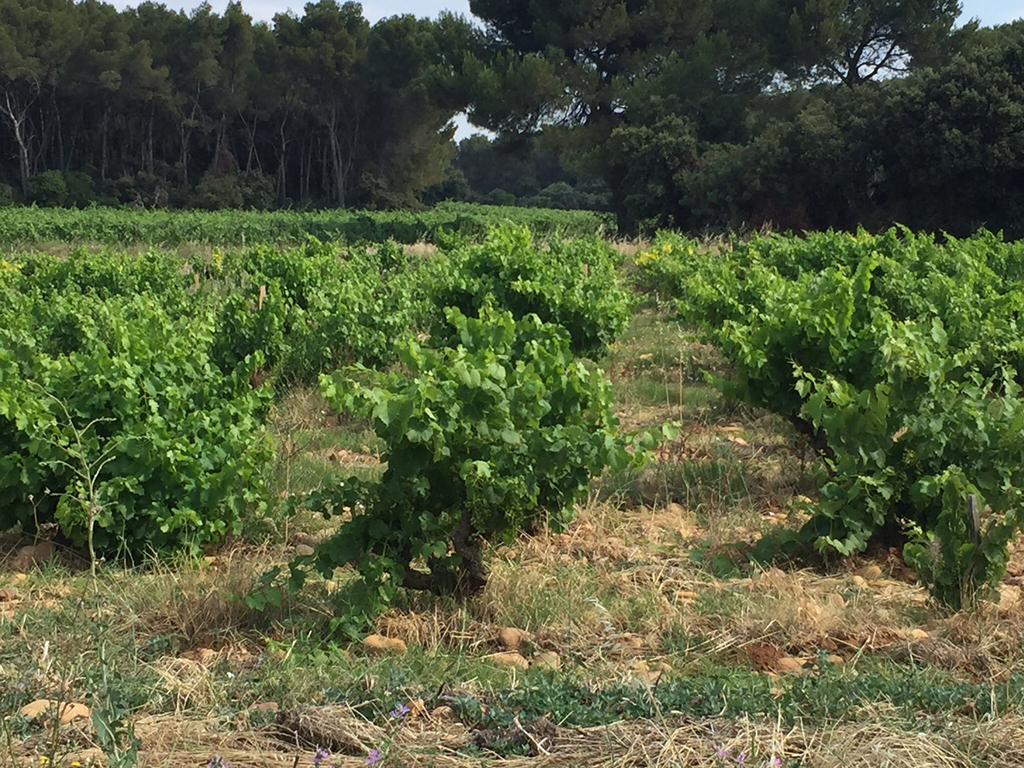
Mounir Saouma likes to describe Châteauneuf-du-Pape as a mosaic, with all the wild traditions and differences together making for very different interpretations. Omnia, Latin for “all,” is his attempt to encompass the entire region’s terroir and winemaking history (and perhaps future) in one glass. The fruit comes from 9 vineyard parcels across all 5 of the Châteauneuf communes, Châteauneuf-du-Pape, Courthezon, Sorgues, Bedarrides and Orange (in early vintages, when the Saoumas did not have all the vineyards they have today, they would purchase fruit; today, Rotem & Mounir Saouma is 100% Estate). The wine is then vinified and aged in foudres, cement and 500 liter barrels – a little bit of everything.
The aging is as Mounir ages his Burgundies: extremely long, never racked, no fining, no filtration. It would be easy to say that we expected the experience running one of Burgundy’s leading producers, Lucien Le Moine, would show in Mounir’s wines. But the actual results need to be tasted to be believed and understood: a wine with beguiling fruit and savory richness, yet extraordinary finesse and detail.
VINEYARD
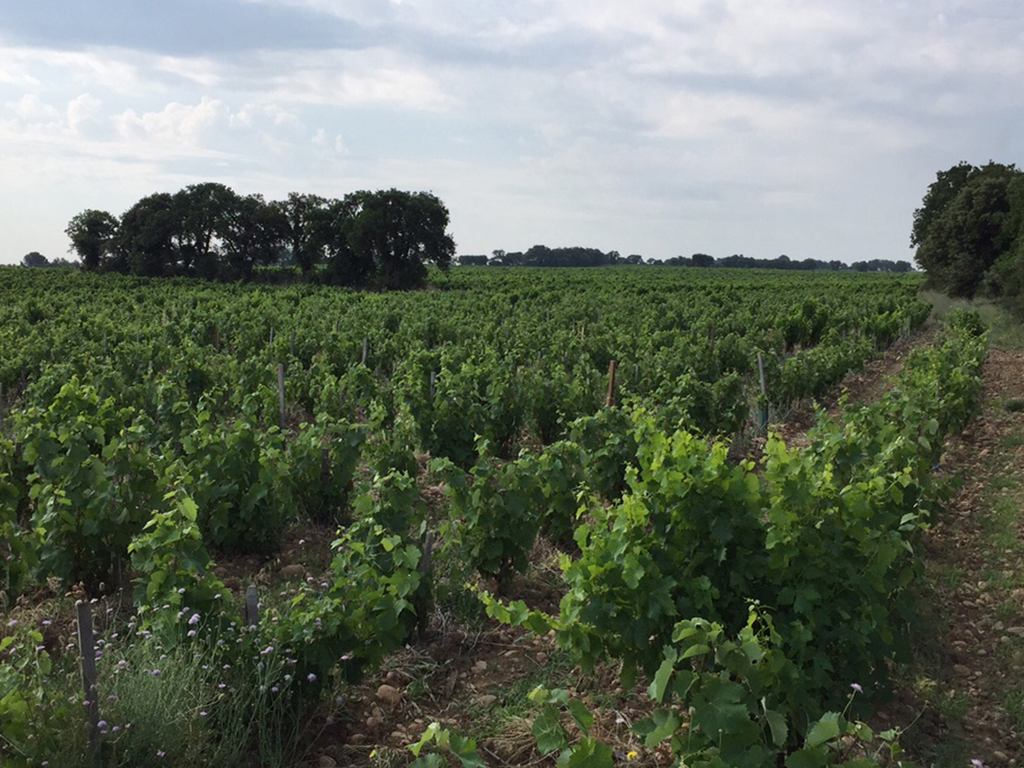
From an original plot of 5 acres in Pignan, the estate has grown to farm a total of 21 acres across 9 vineyards in all 5 villages of the appellation.
WINEMAKING
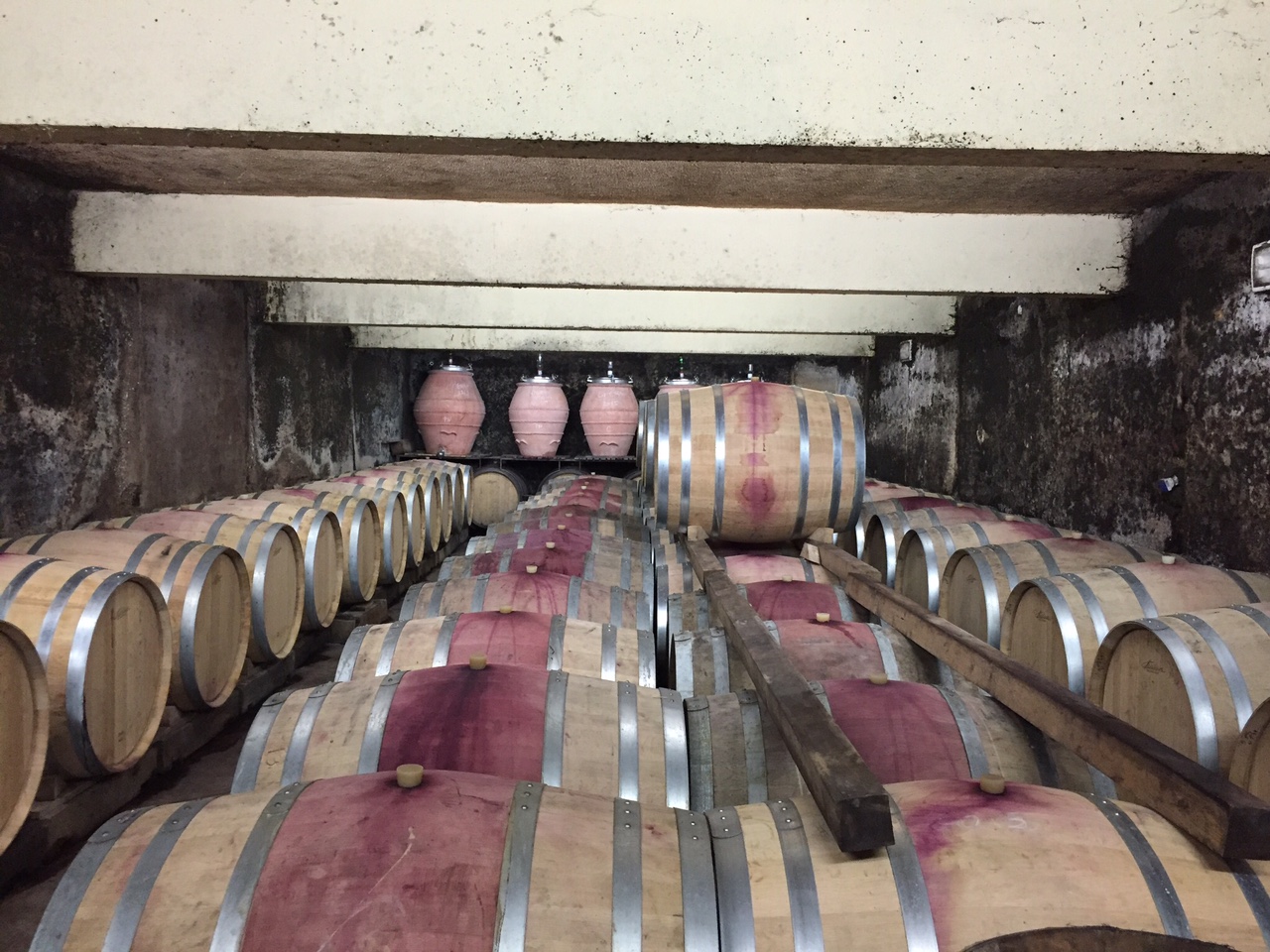
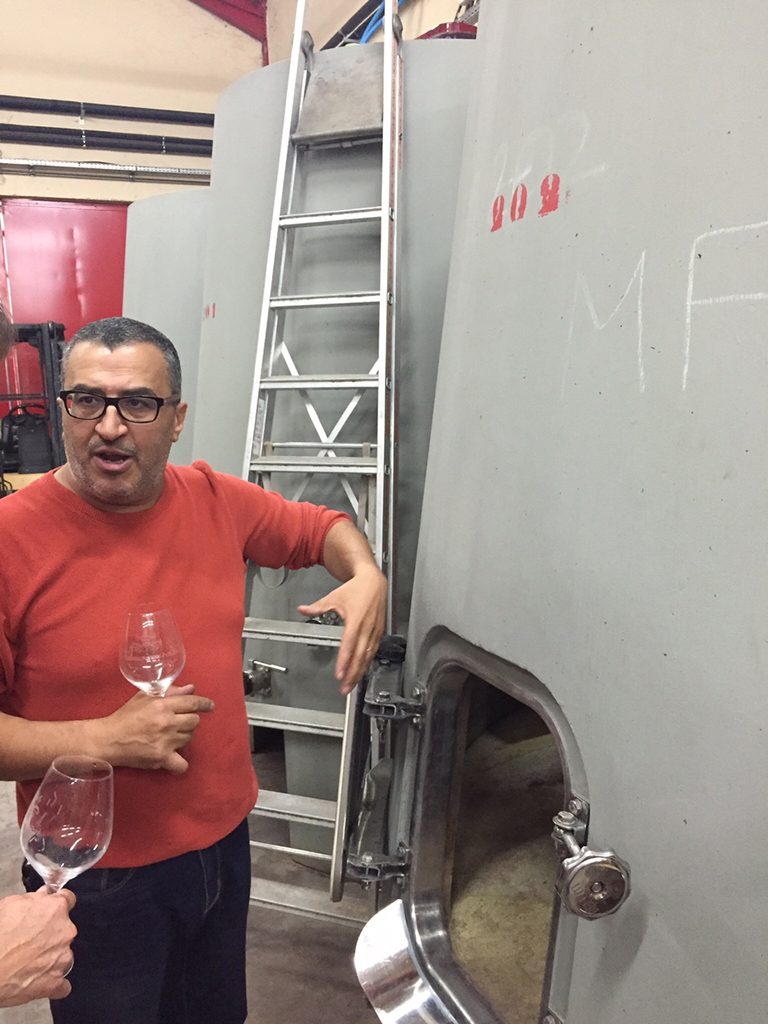
Fruit is firmly pressed using small presses dating from the late 1970s, then macerated in tank at relatively cool temperatures for 8 days before being transferred to a diverse range of vessels — barrels, foudres, cement and eggs — reflecting the kaleidoscope of terroirs across the estate's nine vineyards. The wines are never punched down or racked, and receive only minimal sulphur after 18 months.
VINTAGE
A dry winter was followed by welcome spring showers in May and June, replenishing soils and enabling healthy flowering with no significant disease pressure — aided by the protective Mistral wind. A hot, dry summer tested producers, particularly on sandier soils, though clay terroirs fared considerably better. Harvest was exceptionally long, running from mid-August to late October, with generous yields well above the two previous vintages. Careful sorting was key to delivering wines of real richness and complexity.
TASTING NOTE
Intensely lifted aromas of red flowers, strawberry and raspberry, with wild savory notes and stony minerality threading through. Dense and richly fruited on the palate, yet fresh and long, with fine tannins and a spiced, persistent finish.
FOOD PAIRING
Lamb with herbes de Provence, aged Comté
Color
Red
Blend %
100% Rhone Red Blend
Appellation
Chateauneuf-du-Pape
Alcohol
15%
Suggested Retail Price
$149
Trade Materials

Other Wines by this Producer
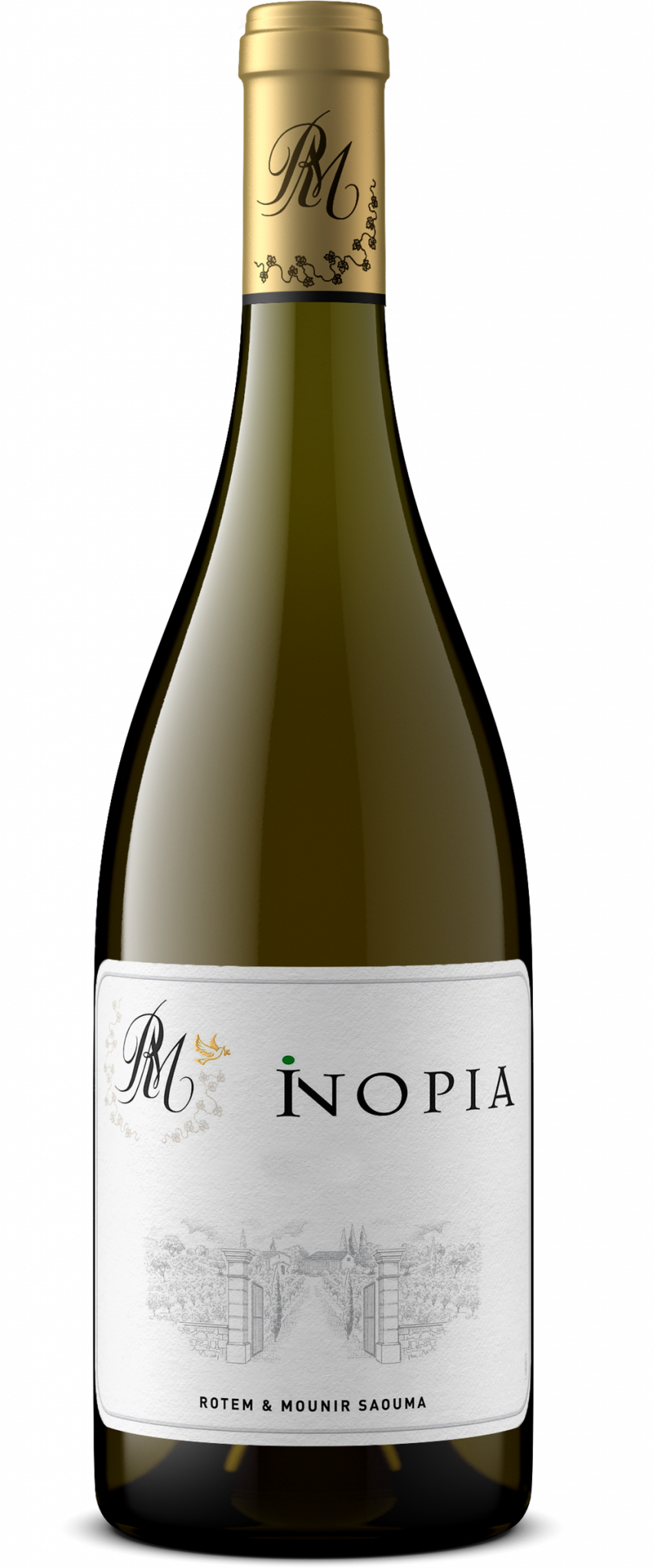
Inopia Côtes-du-Rhône Villages Blanc
Côtes-du-Rhône
Rotem & Mounir’s whites are breathtaking. This village level wine is no exception, following the similar philosophy of exceptional terroir paired with high quality, low yielding fruit that remains undisturbed for an extended period of time after fermentation.
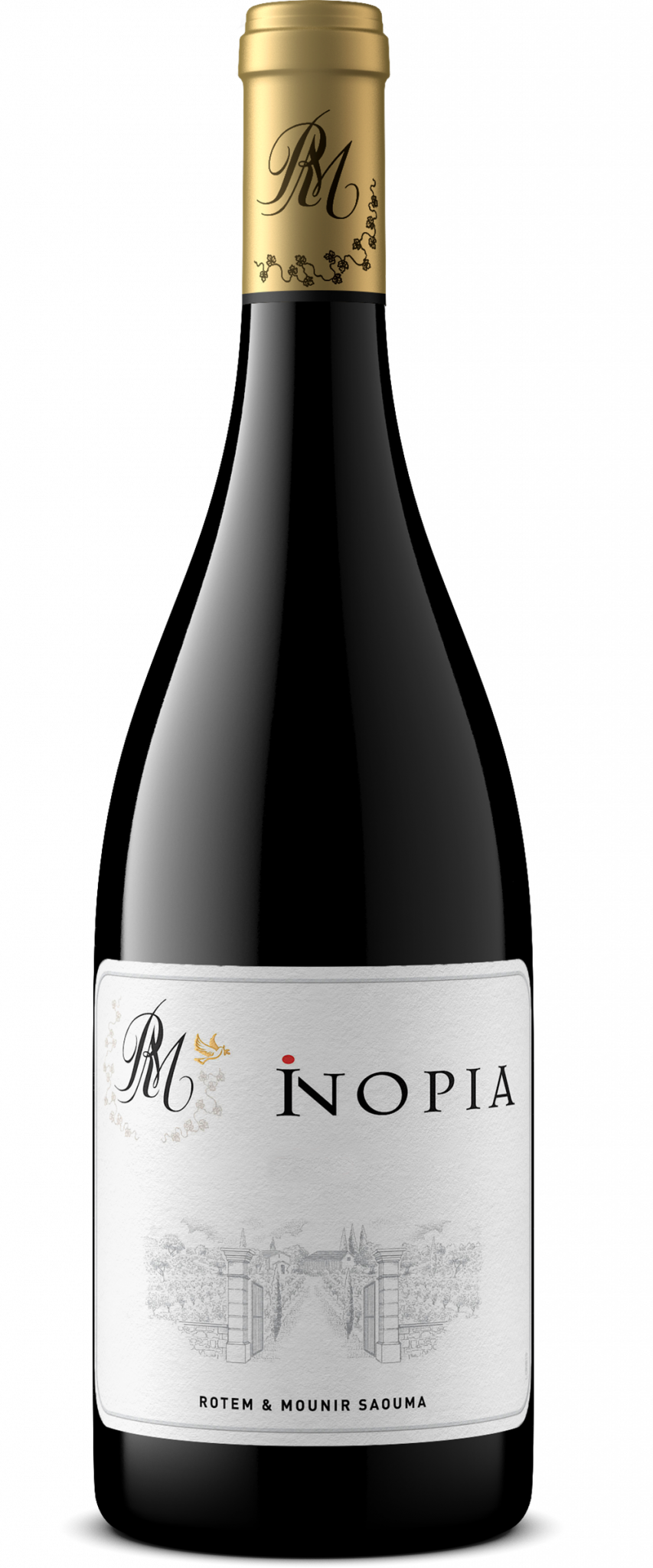
Inopia Côtes-du-Rhône Villages Rouge
Côtes-du-Rhône
The Saouma’s purchased a desolate plot of land in Orange in 2011. A minimal intervention approach combined with the image of the original barren land inspired the name of the wine, INOPIA, which translates to “made from nothing” in Latin.
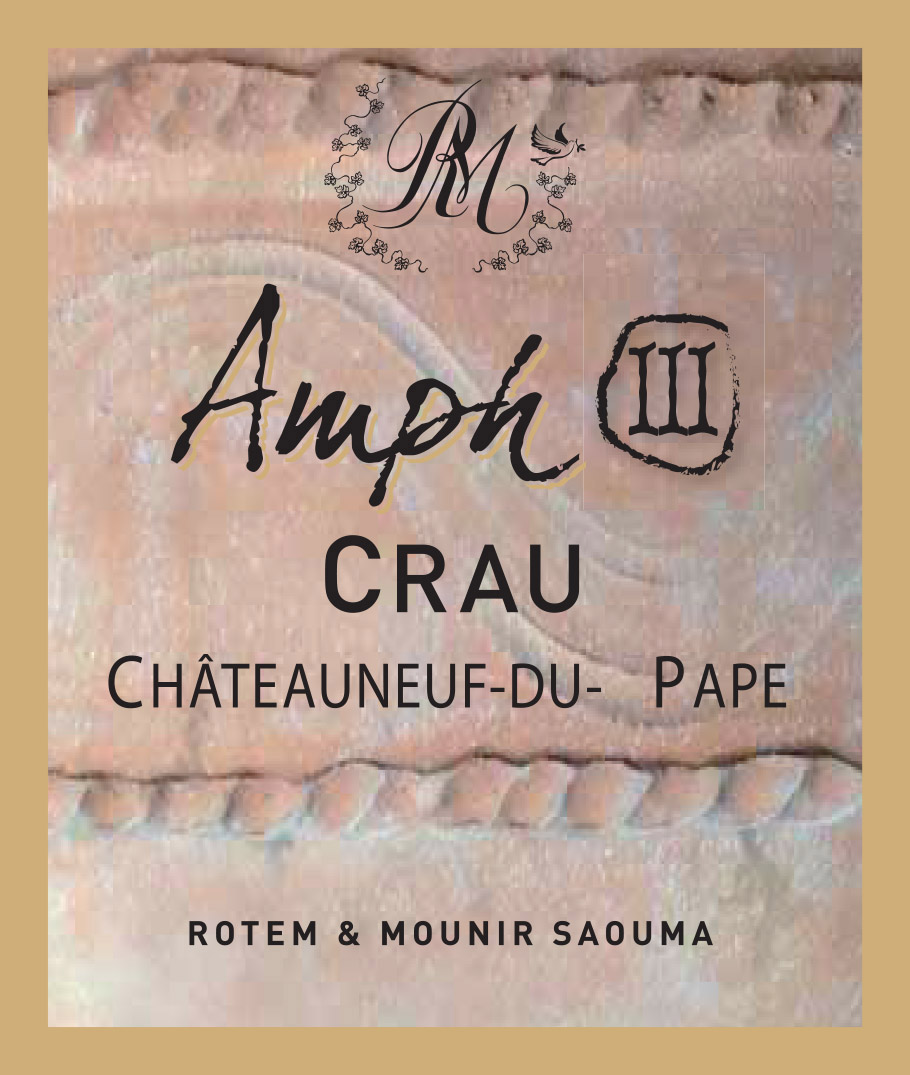
Amphorae Collection
Chateauneuf-du-Pape
Every year Mounir will select several crus to age in Amphorae, where they will remain untouched for around a year, with no input. Then a gentle pressing and bottling. These wines transmit the characteristics of their terroir in a pure, unvarnished manner. Not normal wines, but then again nothing Mounir Saouma does is normal .
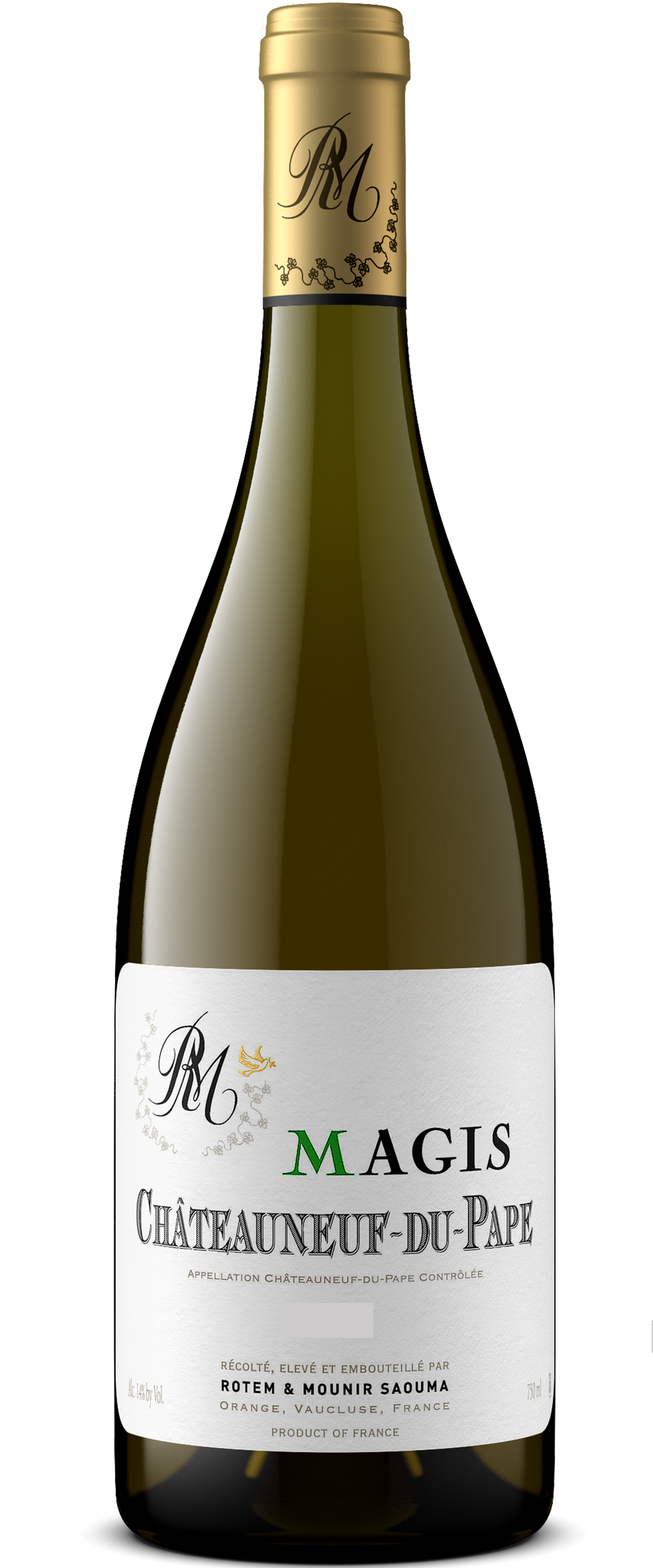
Châteauneuf-du-Pape Magis
Châteauneuf-du-Pape
Another unsurprising but jawdropping discovery when encountering the Saouma wines: Magis, Mounir’s white Chateauneuf from the heavily limestone Pierredon vineyard in Bedarrides. It makes sense that a producer of great white Burgundy would quickly become enchanted by the possibilities here. Only 3% of Chateauneuf is white, and virtually all of it is bottled after 6 months. Mounir’s chateauneuf is aged 18-24 months and has already been compared to some of the great white Burgundy crus for its depth and minerality.
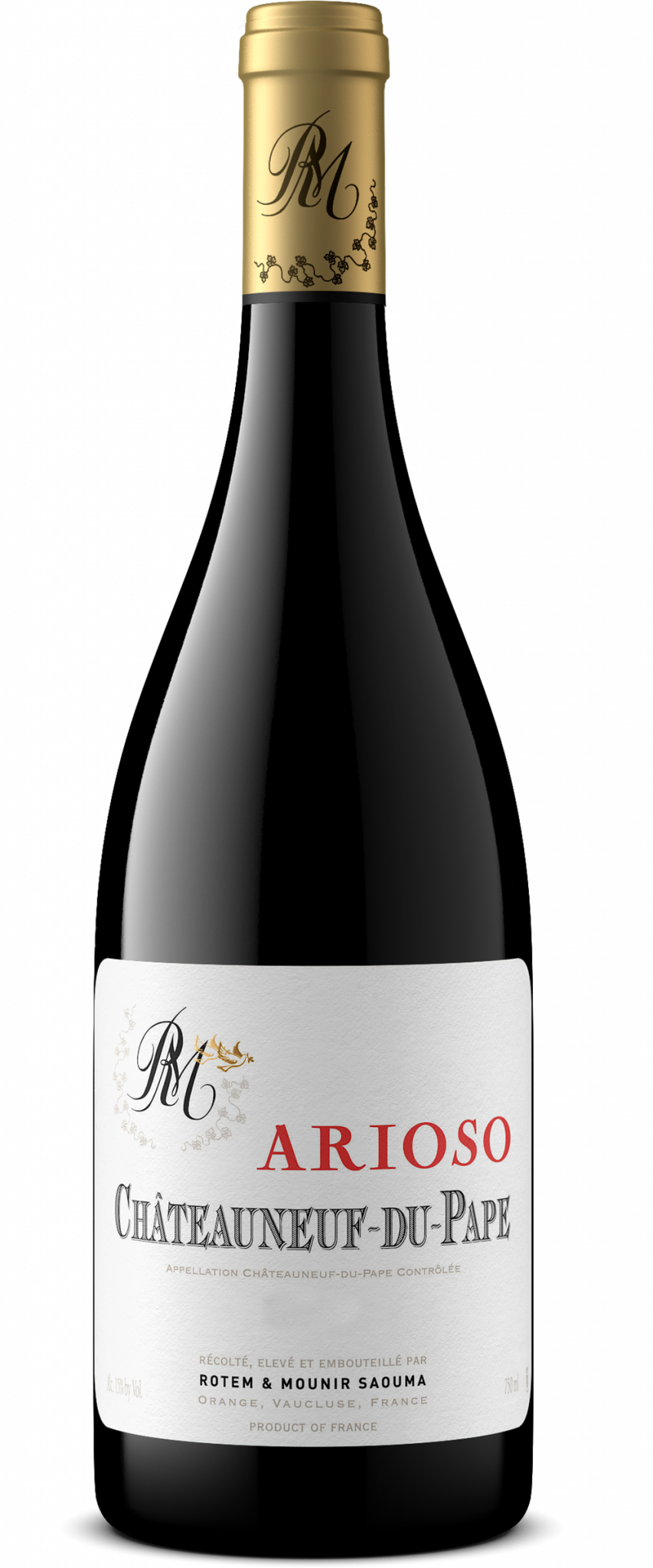
Châteauneuf-du-Pape Arioso
Châteauneuf-du-Pape
From his original 5 acres in Pignan, Mounir has one plot, of 100% Grenache planted in the 1930s, which yields naturally at a miniscule 1 ton per acre. From these vines he produces Arioso, a Chateauneuf of astounding depth and finesse.
