Rotem and Mounir Saouma
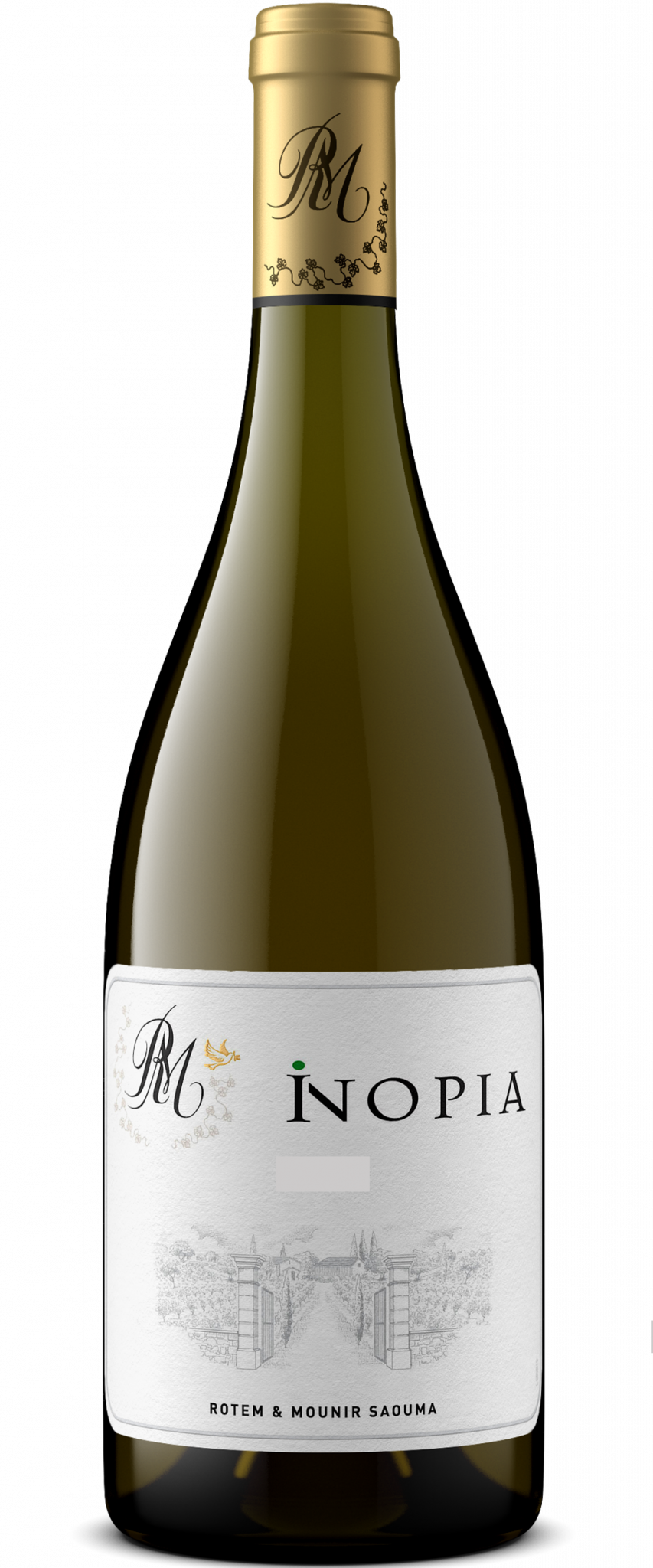
Côtes du Rhône Village Inopia Blanc 2023
Côtes du Rhône

Côtes du Rhône Village Inopia Blanc is a striking blend of Burgundy precision and Rhône expression. Mounir and Rotem Saouma, renowned for their Burgundian label Lucien Le Moine, applied their vision to a barren plot of land they purchased in Orange in 2011. With a minimal intervention approach, they transformed the land into a vineyard that produces this exceptional white. Inopia, meaning “made from nothing” in Latin, embodies the Saoumas’ dedication to crafting wines that are as bold as they are refined, capturing both the region’s heritage and their innovative spirit.
VINEYARD
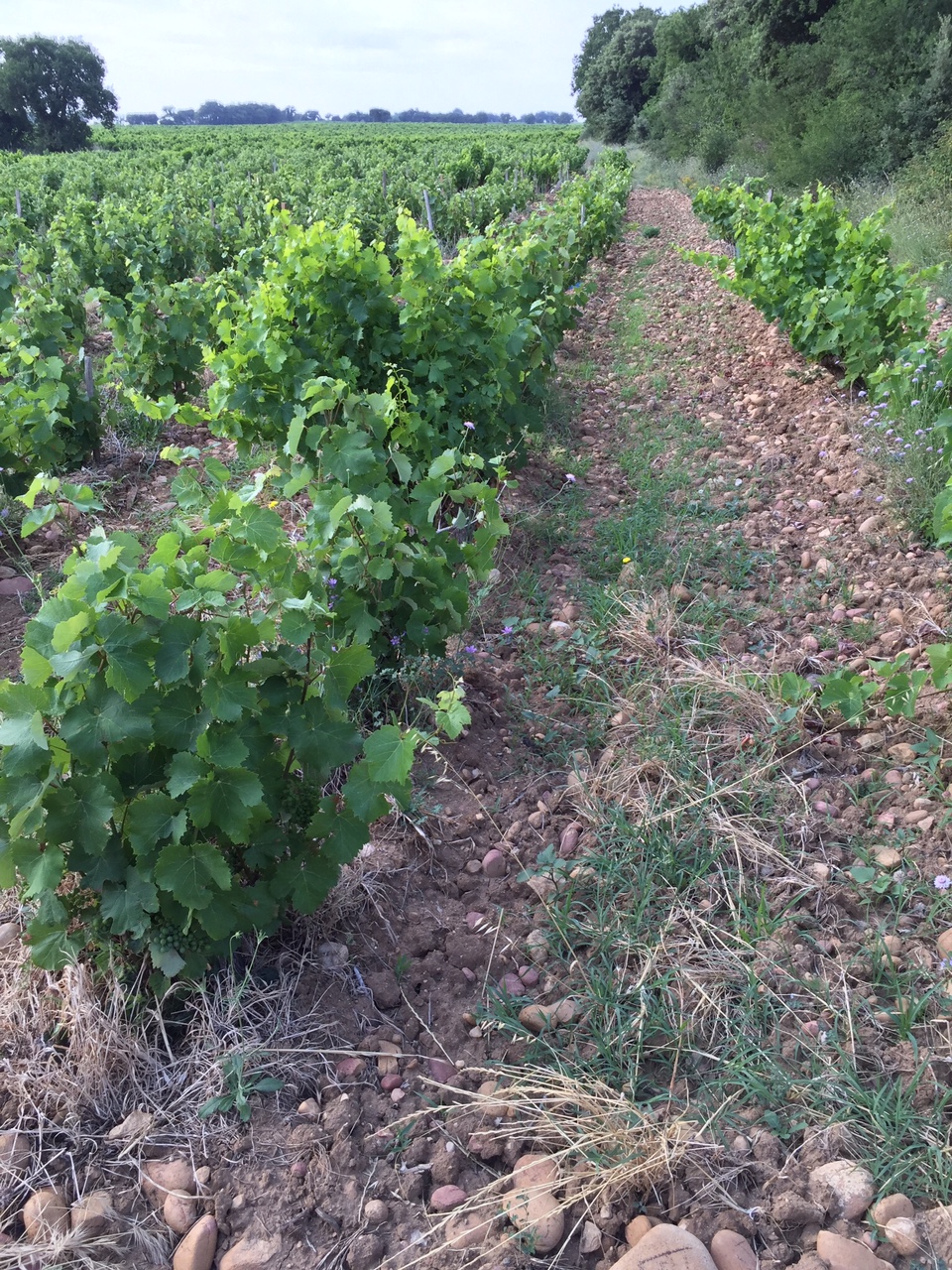
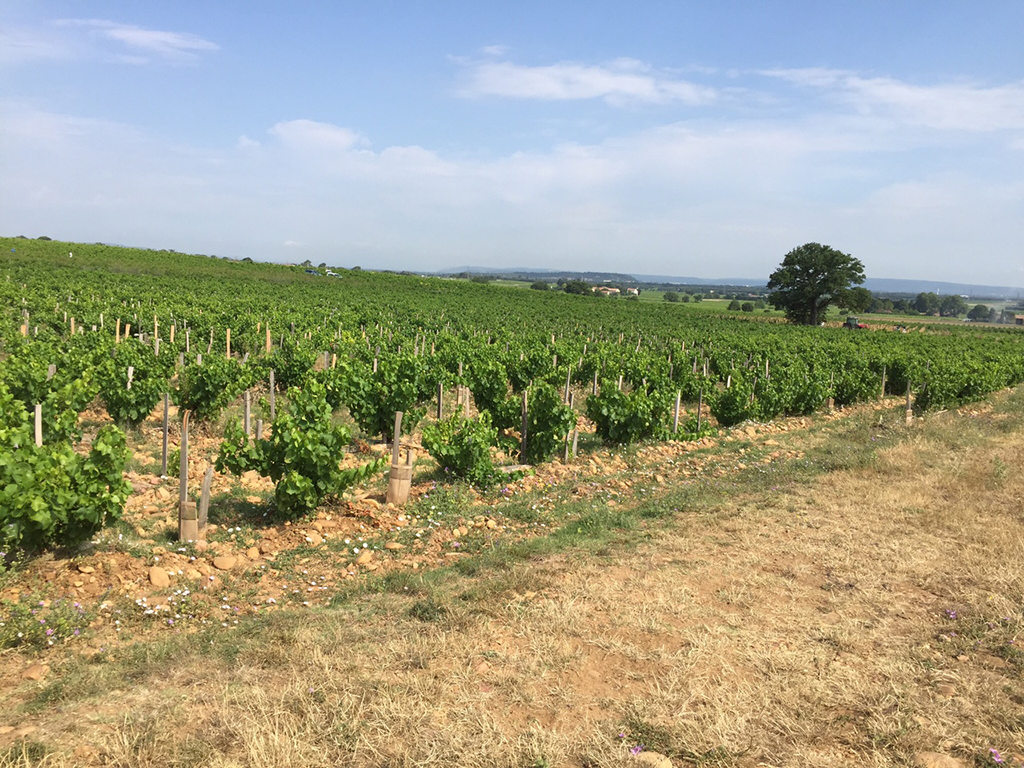
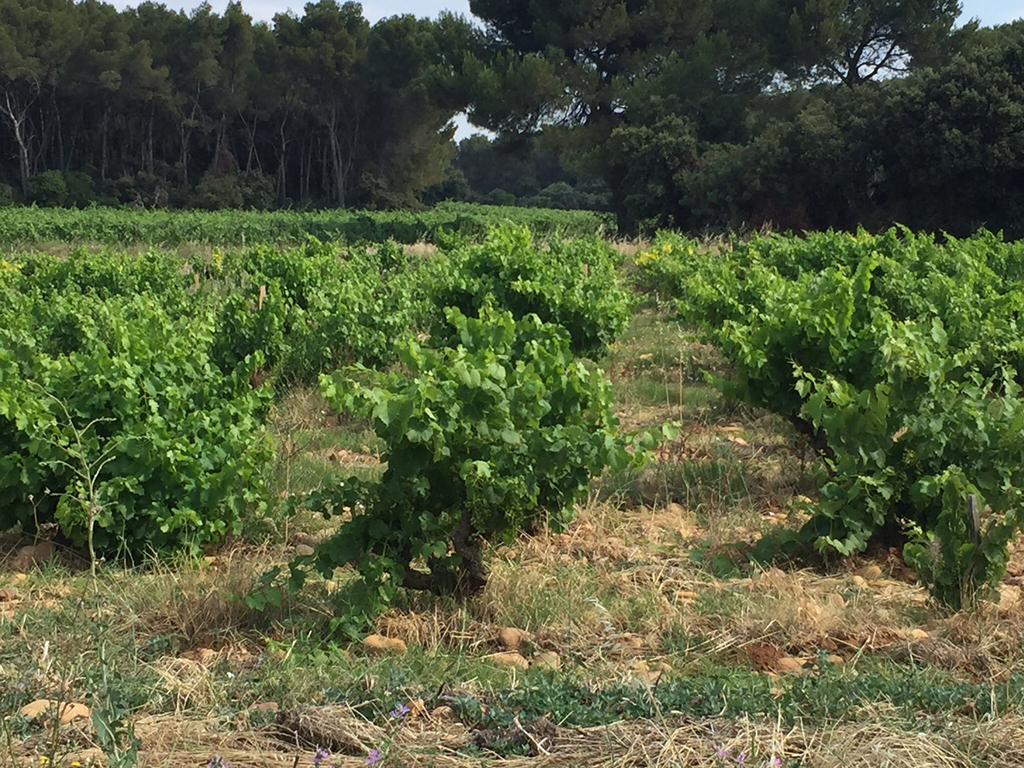
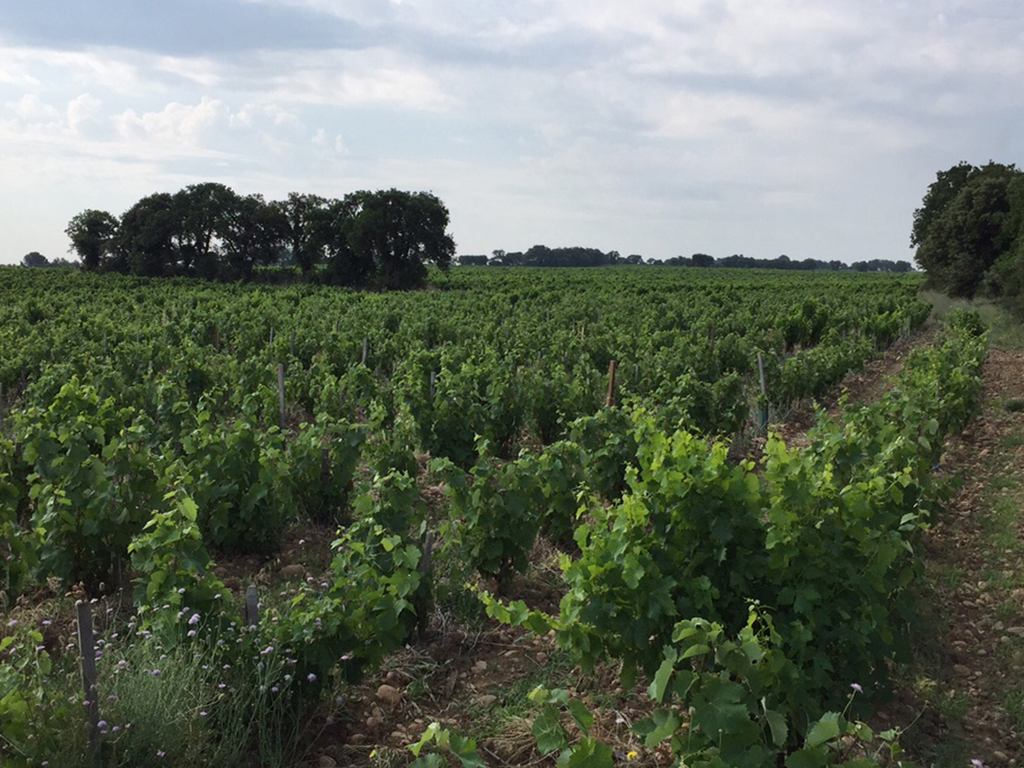
Purchased as a desolate plot of land in Orange in 2011, the Saouma family saw potential where others did not. Eleven grape varieties (predominantly Grenache Noir alongside Mourvèdre, Counoise, Syrah and Cinsault) were planted that same year at a high density of 4,700 plants per hectare, well above the regional norm, with the express goal of producing low-yielding, quality fruit. The soils are predominantly poor clay to a depth of three feet, underlaid by 24 feet of small river stones known locally as Grès, which provide both favorable humidity in an otherwise dry climate and a rich source of mineral elements. All vineyard work is carried out by hand. It is this image of barren land transformed — combined with a minimal intervention philosophy — that inspired the name Inopia, from the Latin for "made from nothing."
WINEMAKING
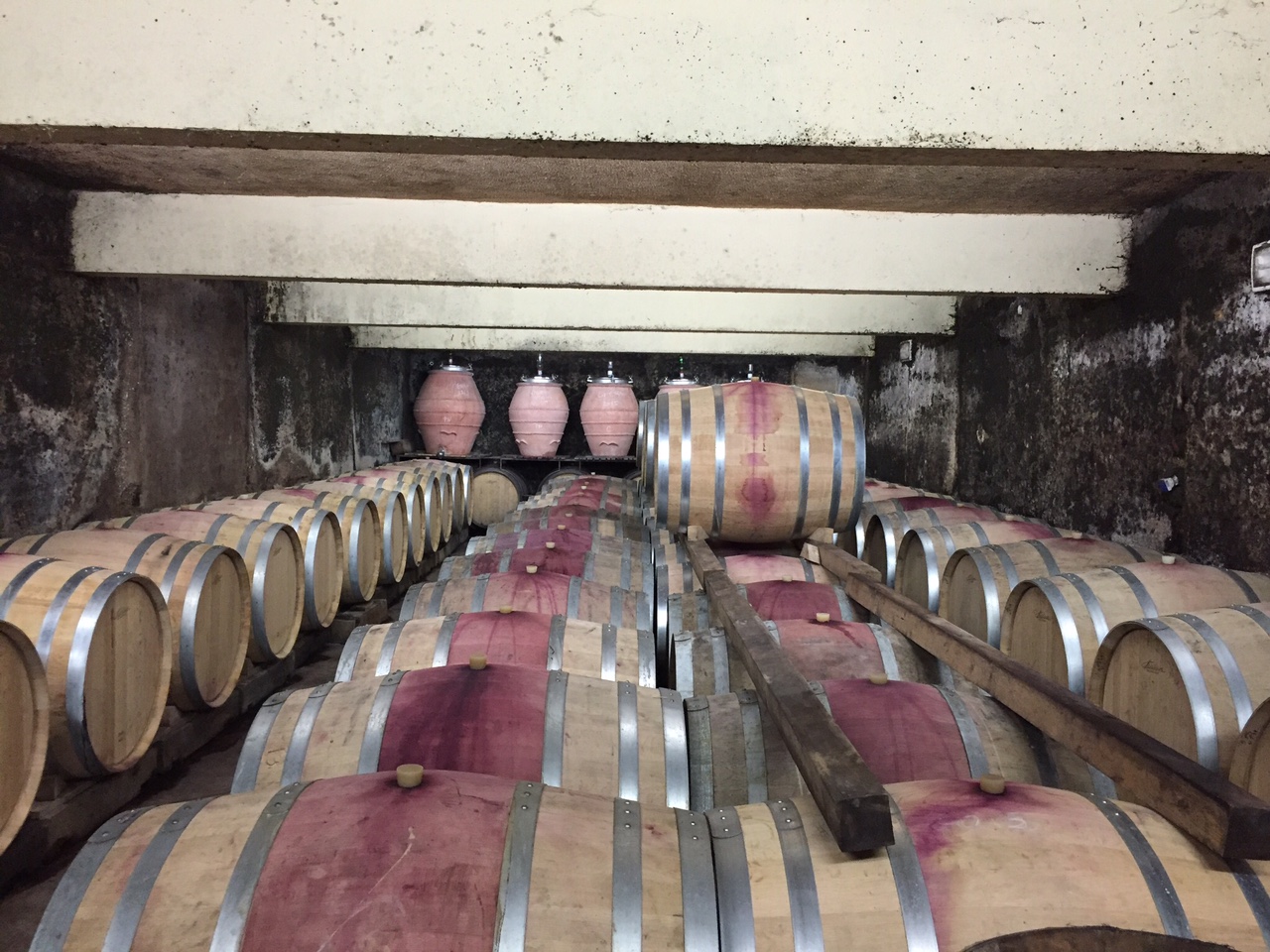
After a hard pressing of whole cluster grapes into 500 liter barrels and 1,600 liter cement eggs, fermentation takes place, and the wine remains undisturbed for 18 months – no pumping over, no punchng down, no fining, no filtration.
VINTAGE
A dry winter with virtually no rainfall through the first quarter set a tense tone for the season. Spring showers from mid-May through June replenished moisture and enabled successful flowering, though they brought intermittent mildew pressure that demanded attentive vineyard work. A late August heatwave pushing temperatures to 40°C tested the vines hard, but a cooler September allowed recovery and delivered the vintage. Wines across all styles show ripe, expressive fruit character, with whites displaying good freshness and reds offering juicy, supple structure.
TASTING NOTE
Intensely perfumed and vibrant nose of citrus, flowers and an almost salty note. Intensity of flavors and structure, with a beautifully balanced freshness.
FOOD PAIRING
Provençal vegetable tart, grilled sea bass with fennel and lemon
Color
White
Blend %
100% Rhone White Blend
Appellation
Côtes du Rhône
Alcohol
14.5%
Suggested Retail Price
$55
Trade Materials

Other Wines by this Producer
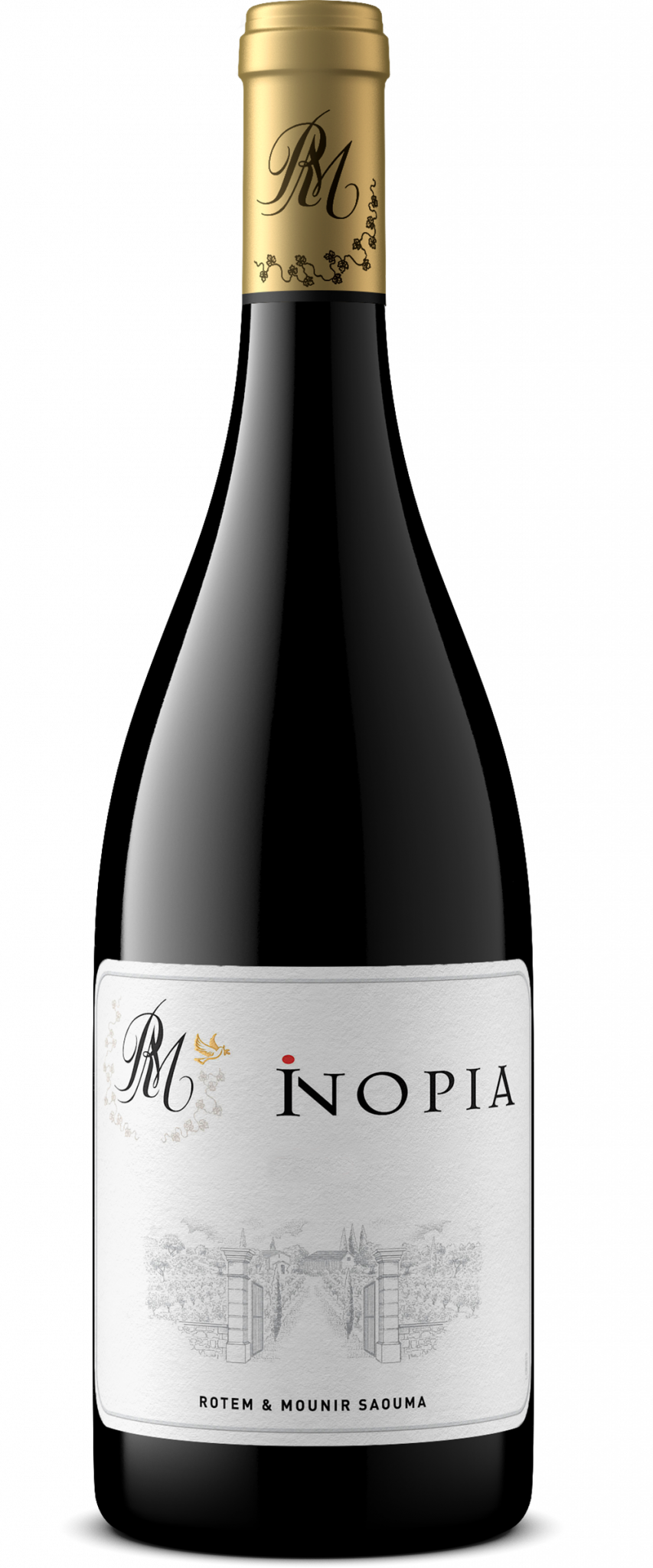
Inopia Côtes-du-Rhône Villages Rouge
Côtes-du-Rhône
The Saouma’s purchased a desolate plot of land in Orange in 2011. A minimal intervention approach combined with the image of the original barren land inspired the name of the wine, INOPIA, which translates to “made from nothing” in Latin.
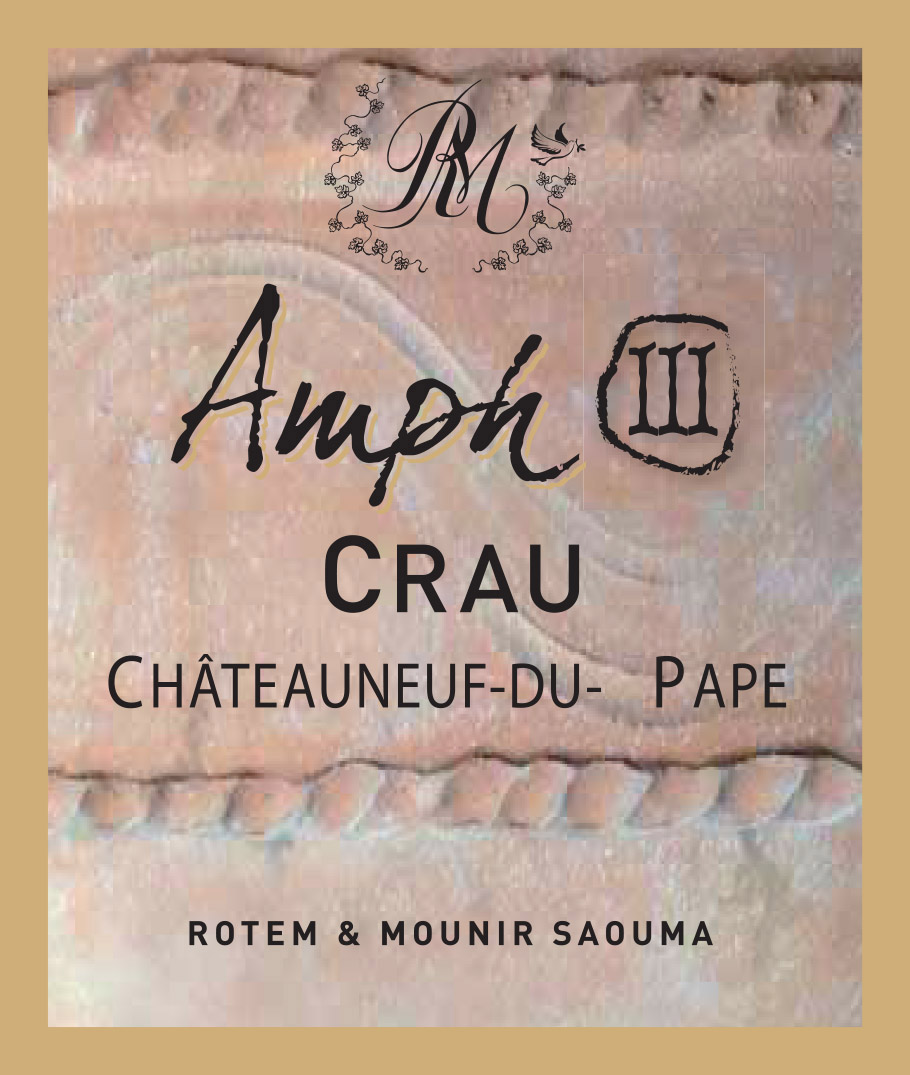
Amphorae Collection
Chateauneuf-du-Pape
Every year Mounir will select several crus to age in Amphorae, where they will remain untouched for around a year, with no input. Then a gentle pressing and bottling. These wines transmit the characteristics of their terroir in a pure, unvarnished manner. Not normal wines, but then again nothing Mounir Saouma does is normal .
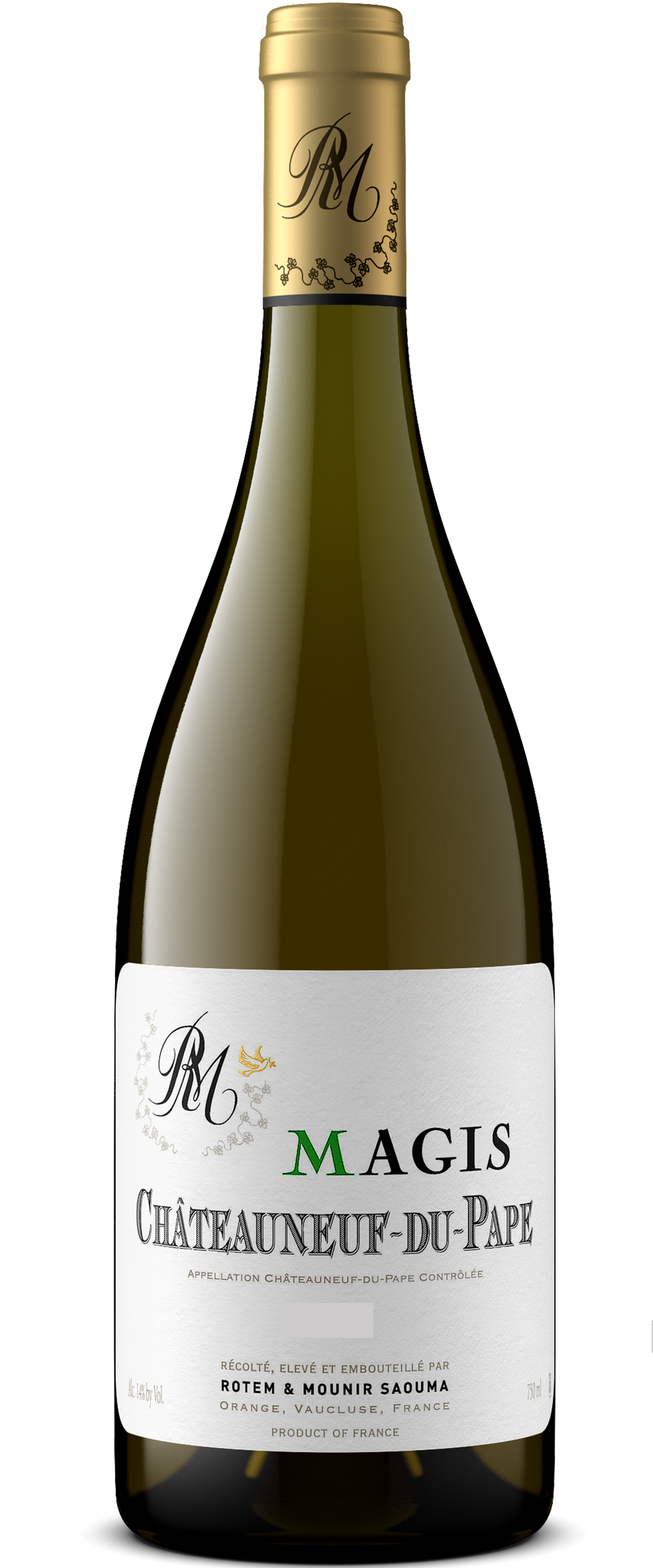
Châteauneuf-du-Pape Magis
Châteauneuf-du-Pape
Another unsurprising but jawdropping discovery when encountering the Saouma wines: Magis, Mounir’s white Chateauneuf from the heavily limestone Pierredon vineyard in Bedarrides. It makes sense that a producer of great white Burgundy would quickly become enchanted by the possibilities here. Only 3% of Chateauneuf is white, and virtually all of it is bottled after 6 months. Mounir’s chateauneuf is aged 18-24 months and has already been compared to some of the great white Burgundy crus for its depth and minerality.
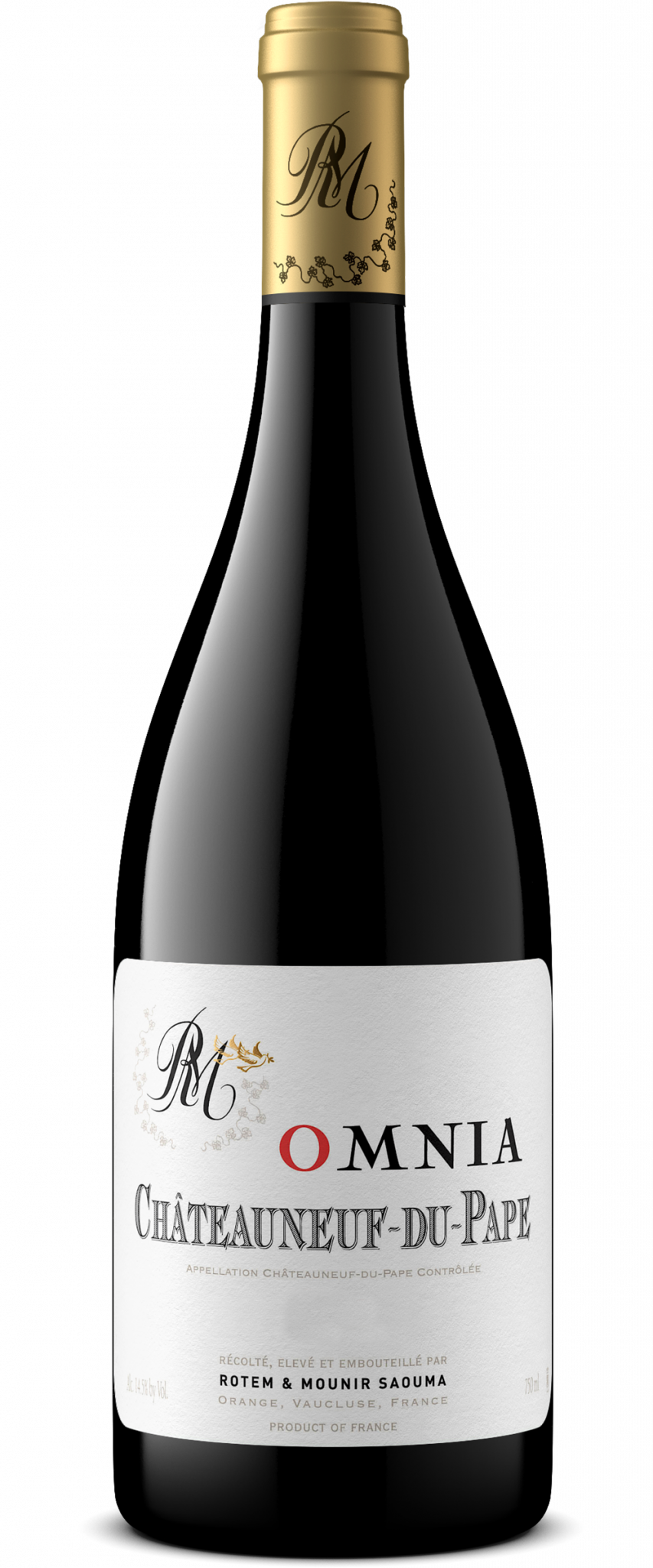
Châteauneuf-du-Pape Omnia
Châteauneuf-du-Pape
Omnia, Latin for "all," is a wine that attempts to encompass the full diversity of the Chateauneuf-du-Pape appellation, both in its terroir and vinification. Fruit comes from vineyards in all 5 of the Chateauneuf communes (Chateauneuf-du-Pape, Courthezon, Sorgues, Bedarrides and Orange) and aged in foudre, cement and 500 liter barrels.
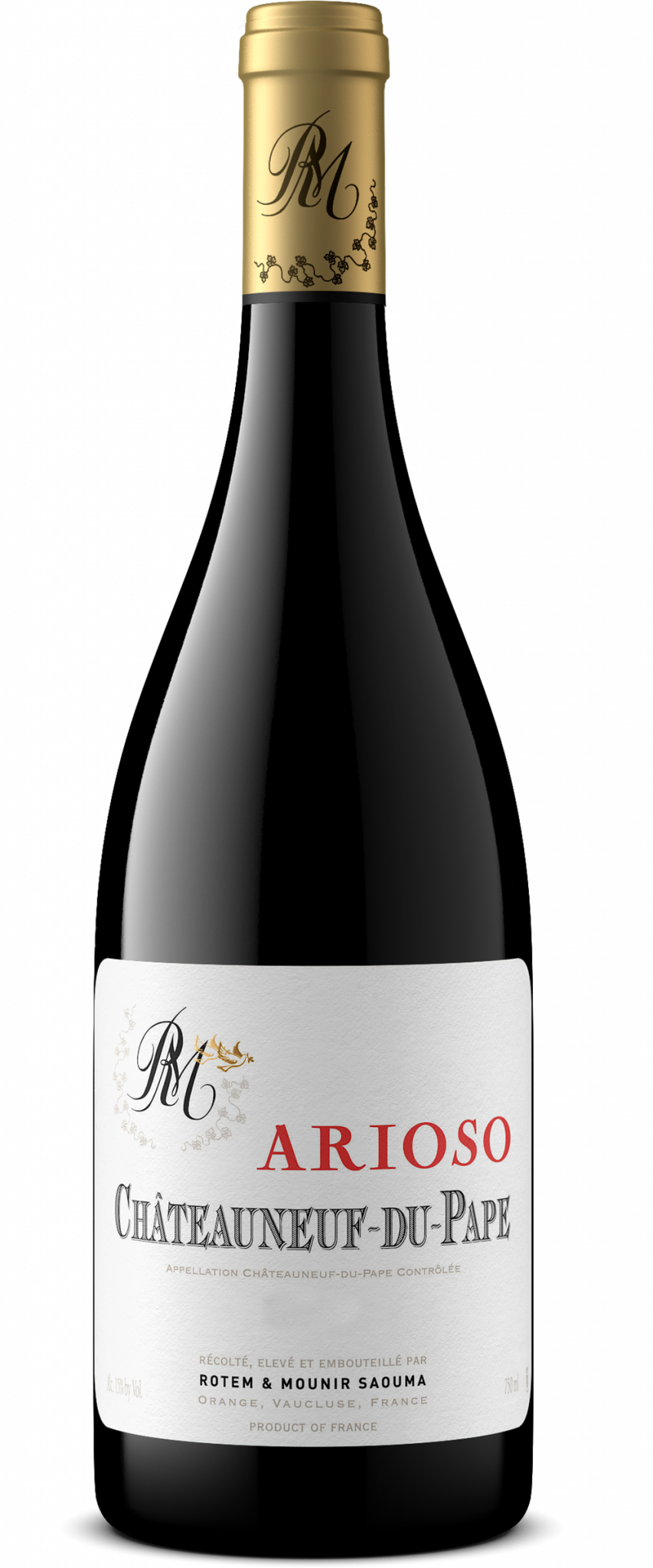
Châteauneuf-du-Pape Arioso
Châteauneuf-du-Pape
From his original 5 acres in Pignan, Mounir has one plot, of 100% Grenache planted in the 1930s, which yields naturally at a miniscule 1 ton per acre. From these vines he produces Arioso, a Chateauneuf of astounding depth and finesse.
