Sandrone
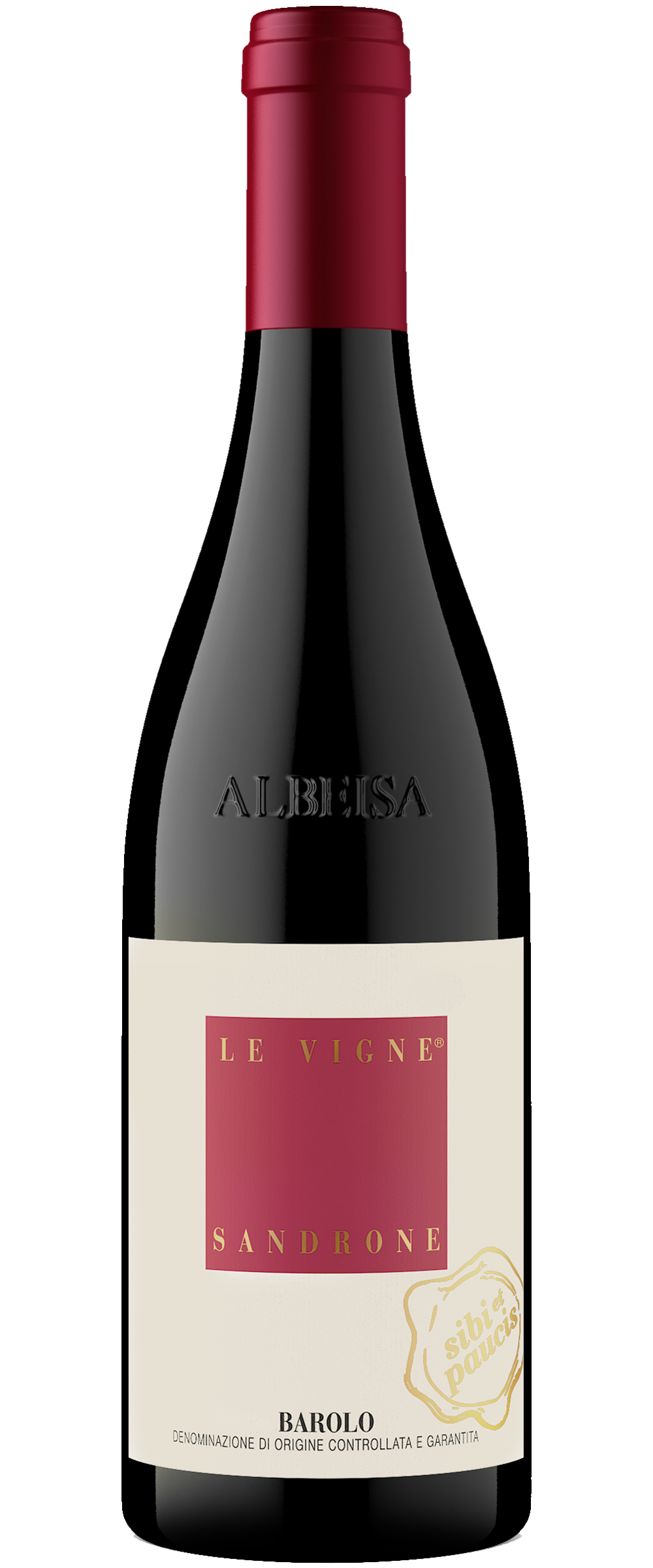
Sibi Et Paucis Le Vigne Barolo 2013
Barolo

Each year, the winery chooses to put aside a small part of their production of the wines based in Nebbiolo. The winery holds these in their library under optimal conditions for resting, refining and the slow march toward maturity. The seal on the labels identifies these specific bottles and their path which began under the ground in their cellars.
Barolo Le Vigne is often a dark and impenetrable wine in its youth. With proper cellaring, this wine reveals more classic Barolo aspects of black cherries, tar, violets and roses. This wine can outlive the ALESTE/Cannubi Boschis bottling in great years: Le Vigne shows more tannins than its brother and possesses amazing freshness and length.
VINEYARD
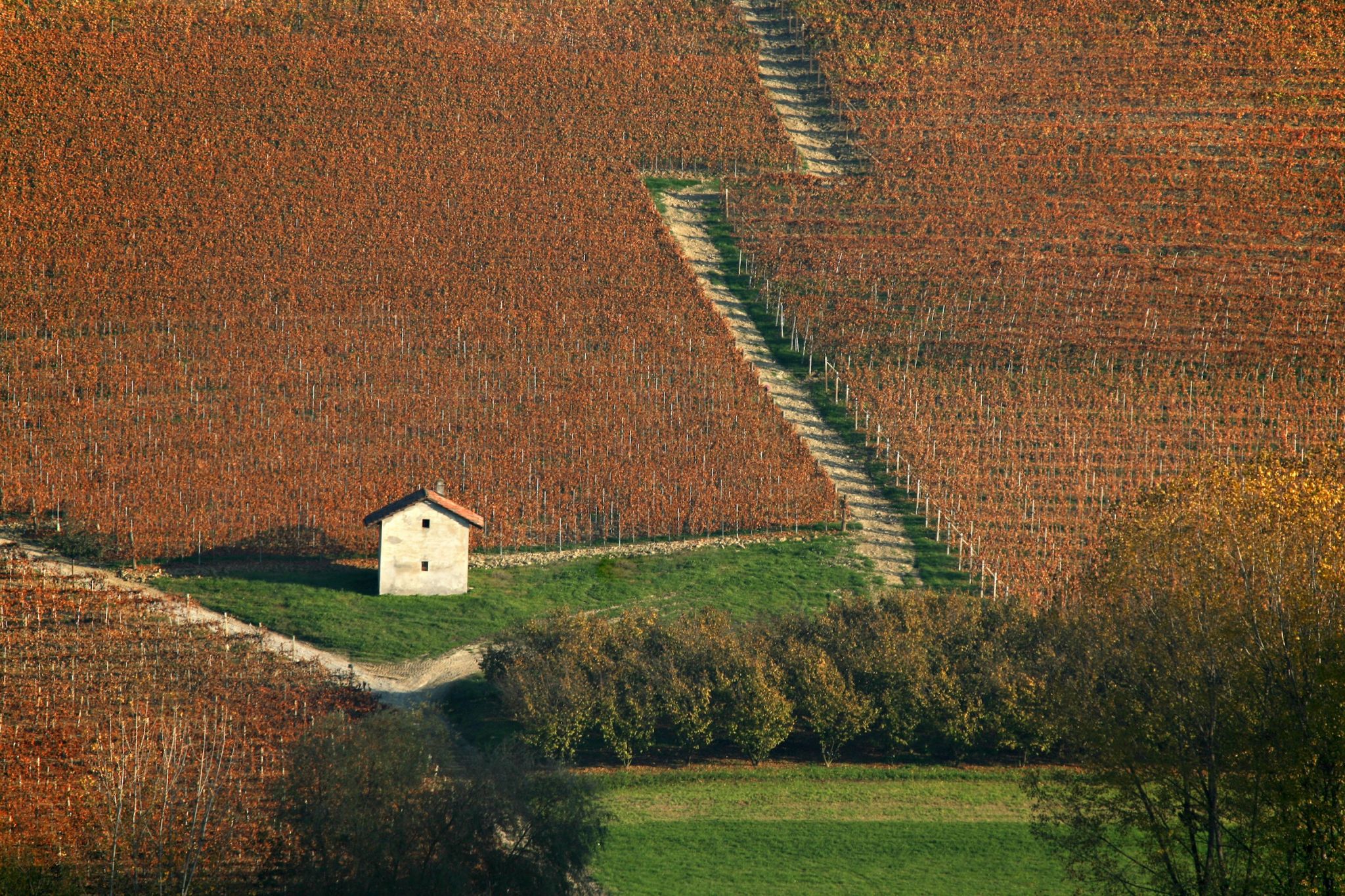
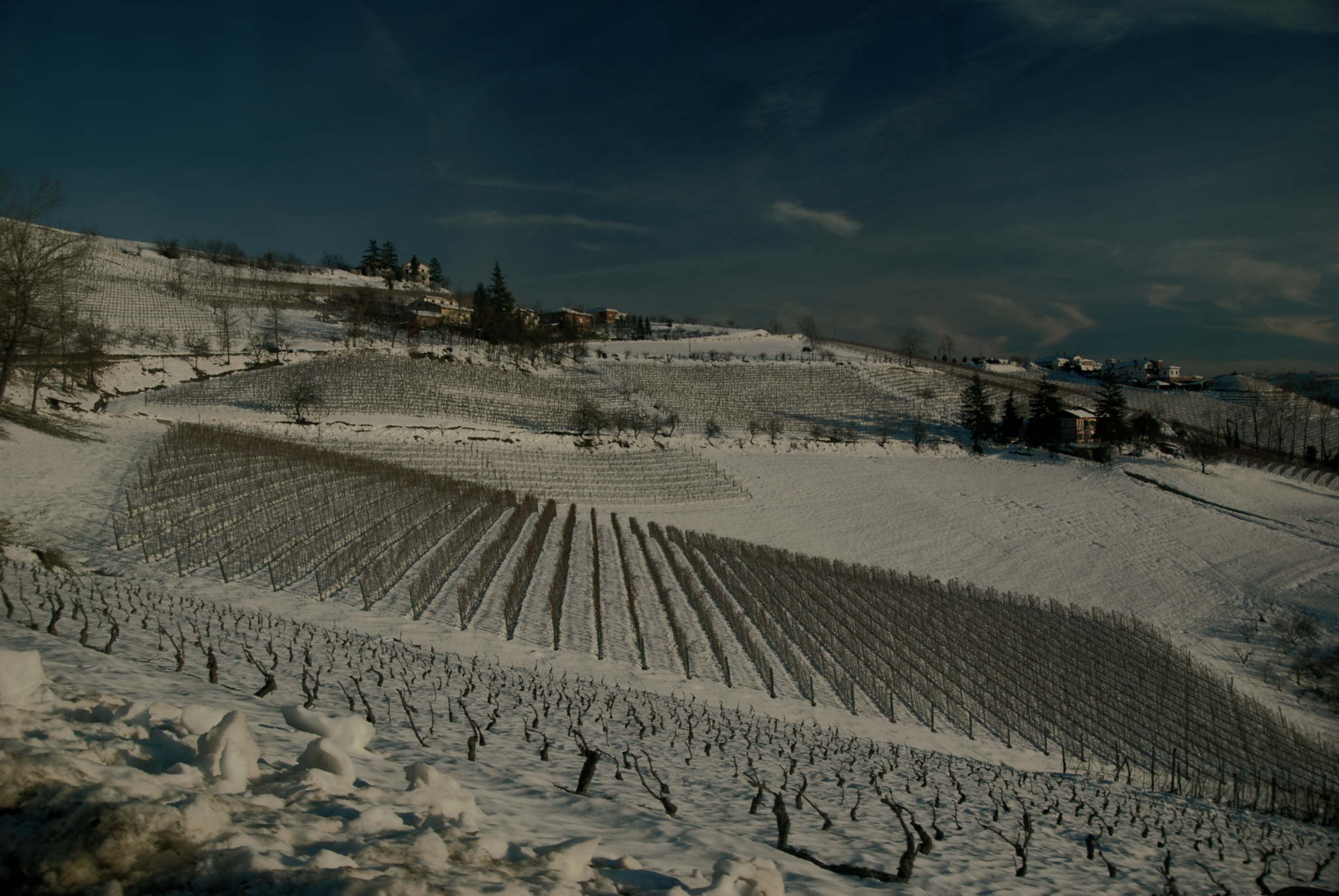
The first vineyard, Vignane, is situated in the historical part of the Barolo appellation and shares many characteristics with Cannubi. The Merli vineyard is located in Novello, which produces wines that are earthy and robust but with good aromatic complexity. The third vineyard, Baudana in Serralunga d’Alba, gives the wine additional depth and richness. As of 2011, Le Vigne also includes fruit from Villero, a newly acquired vineyard in Castiglione Falletto.
WINEMAKING
Each vineyard is vinified separately, and after destemming and light crushing, the must is covered with CO2 for a gentle warm maceration of approximately a day. Alcoholic fermentation begins about 24-36 hours later from native yeasts. A gentle maceration takes place in upright open-top steel tanks for the first 9-15 days of alcoholic fermentation. Immediately after alcoholic fermentation, which takes 28-30 days, malolactic fermentation takes place in 500 liter French oak casks. The wine is aged in these casks for 24 months, followed by 18 months bottle aging.
VINTAGE
2013 had a dual personality. A cool, rainy spring gave way to markedly improved conditions by June, with flowering taking place under favorable skies and a good fruit set. July brought the turning point: stable, warm weather through October supported steady phenolic development, while cool nights in the final weeks of maturation drew out the best characteristics of Nebbiolo. Harvest ran from October 3 to 24, with demanding vineyard management throughout. The effort was well worth it, making 2013 a particularly strong year for the variety.
TASTING NOTE
Dark fruit, violet, licorice, and cola on the nose, with red flowers, tobacco, and black tea in the background. Tight and expansive on the palate, with black fruit, vibrant acidity, and sweet ripe tannins. Long, spiced, mineral finish.
FOOD PAIRING
Braised short rib, roasted lamb, wild boar, aged Parmigiano-Reggiano, truffle dishes
Color
Red
Blend %
100% Nebbiolo
Appellation
Barolo
Alcohol
14.5%
Suggested Retail Price
$275
Trade Materials
Other Wines by this Producer
Vite Talin Barolo
Barolo
Vite Talin is Sandrone's rarest Barolo, born from a single anomalous Nebbiolo vine that Luciano discovered in 1987 in a vineyard leased from an elderly farmer known as "Talin." The vine's unusually small, dark clusters and distinctly compact character set it apart from everything growing around it. After 25 years of experimentation and DNA confirmation in 2017, the 2013 vintage became the first official release. Made from 100% Nebbiolo, it is fermented with indigenous yeasts and aged three years in French oak before spending another three years in bottle, debuting a full six years after harvest. Rich, structured, and built for long cellaring.
Sibi et Paucis ALESTE Barolo
Barolo
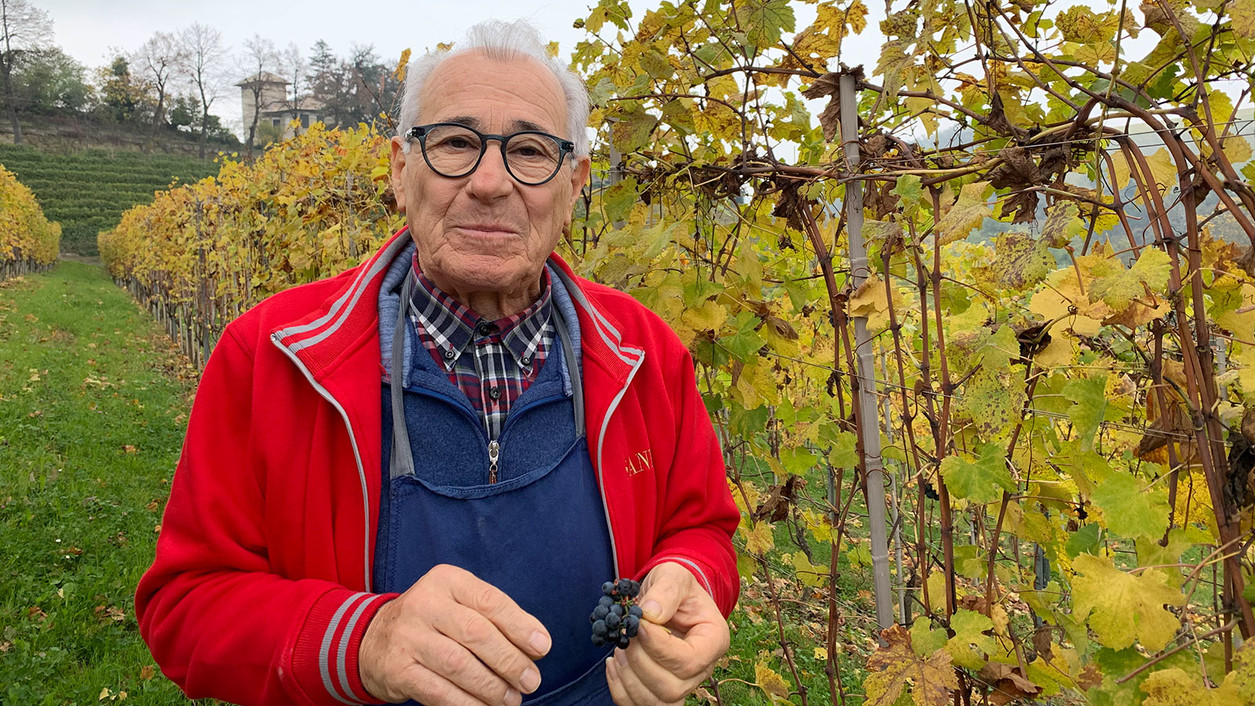
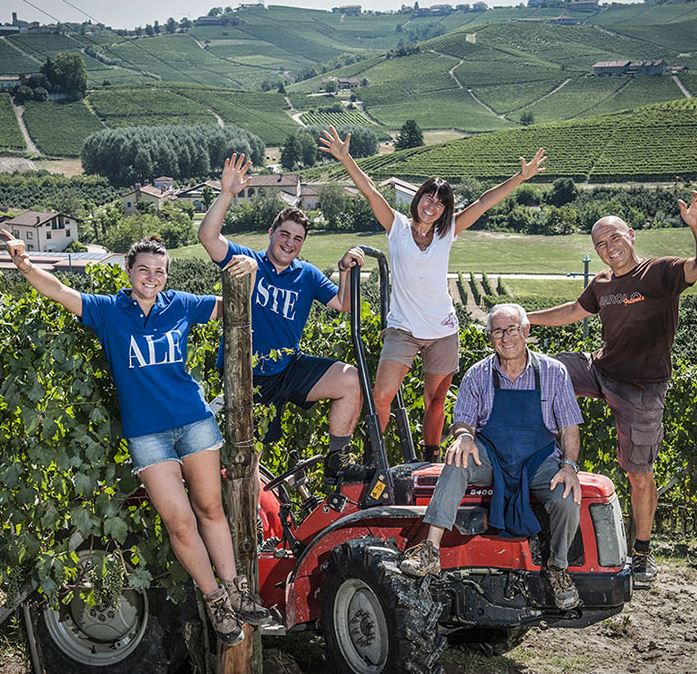
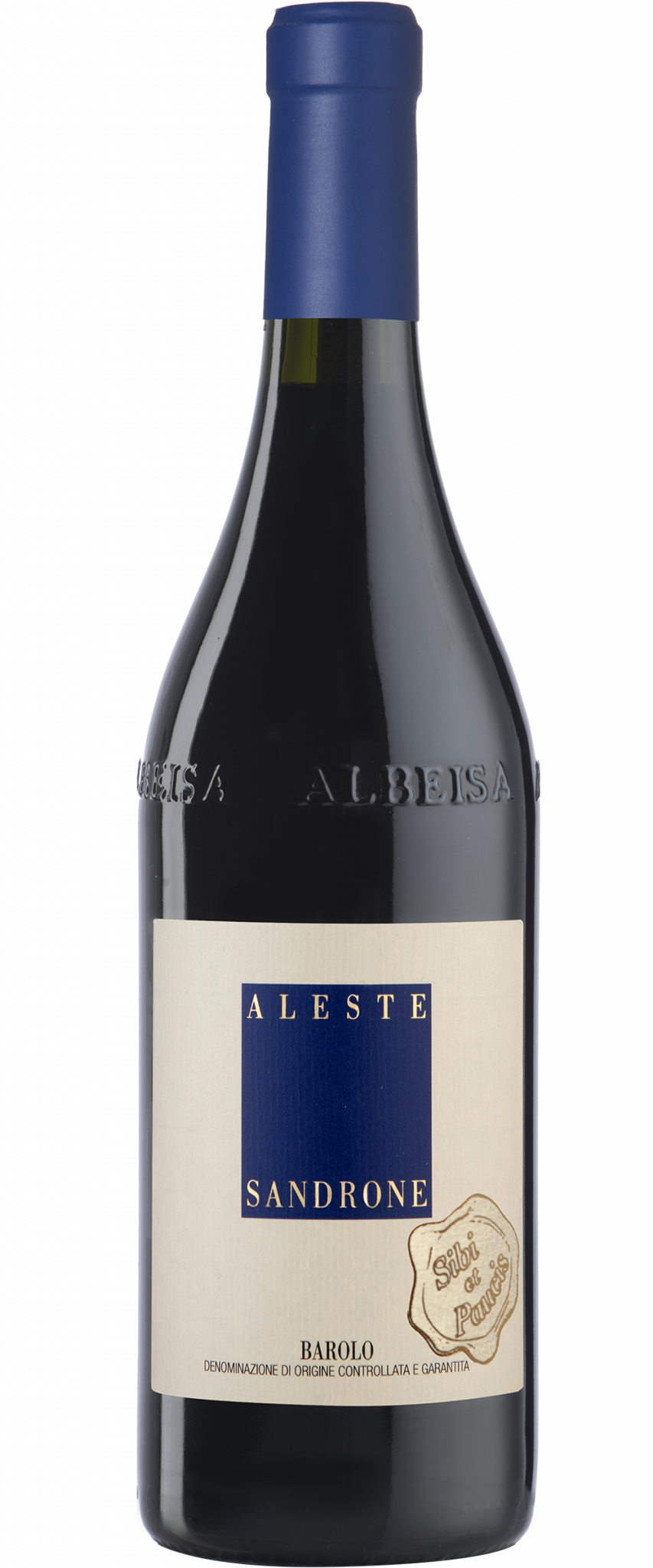
ALESTE - a combination of the names of Luciano Sandrone's grandchildren ALEssia and STEfano -- is the new name for Luciano's first wine, the Barolo Cannubi Boschis, which garnered Luciano his early acclaim with the international trade and press. This single-vineyard wine is typically dense and concentrated but shows incredible harmony and balance.
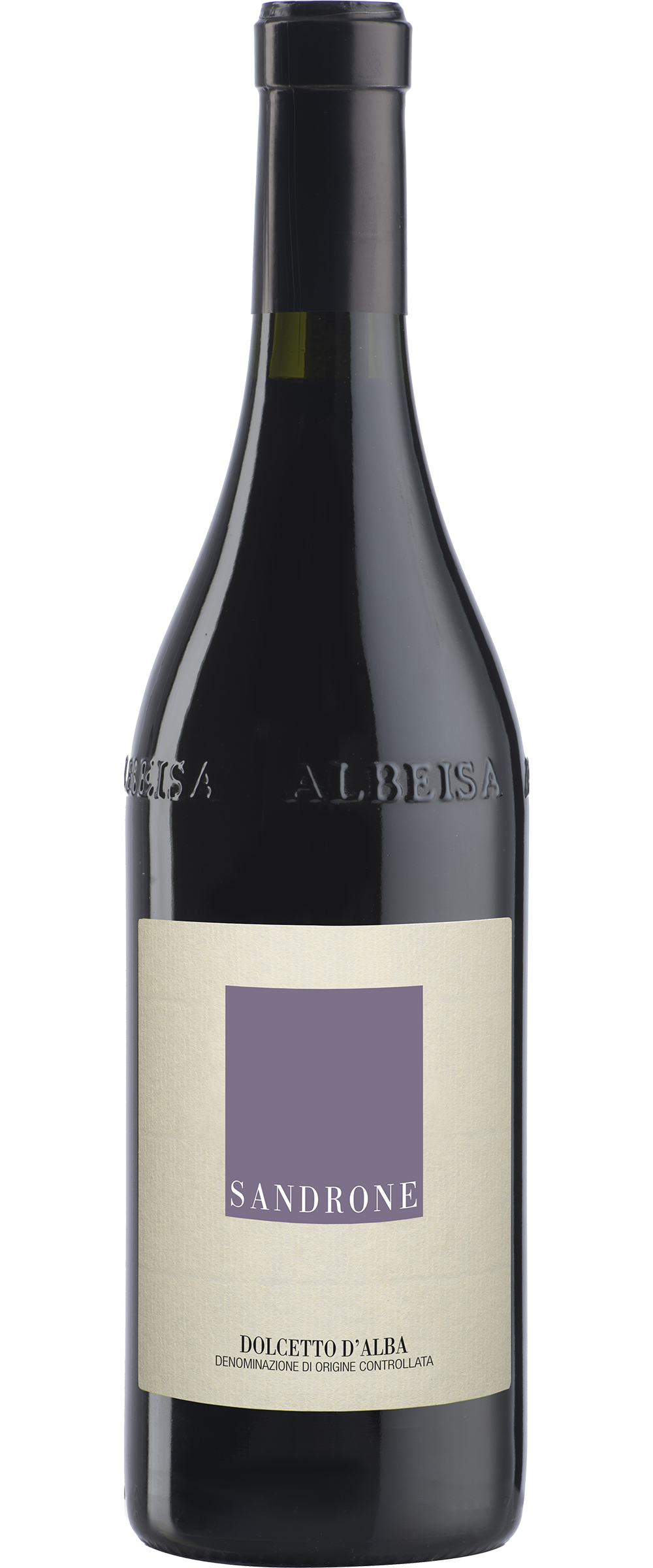
Dolcetto d’Alba
Dolcetto d'Alba
Sandrone's Dolcetto d’Alba is produced using Dolcetto grapes from 11 different vineyards, all within the Barolo DOCG. Sandrone’s Dolcetto sees no time in wood and is a remarkably robust and complex example of the variety.
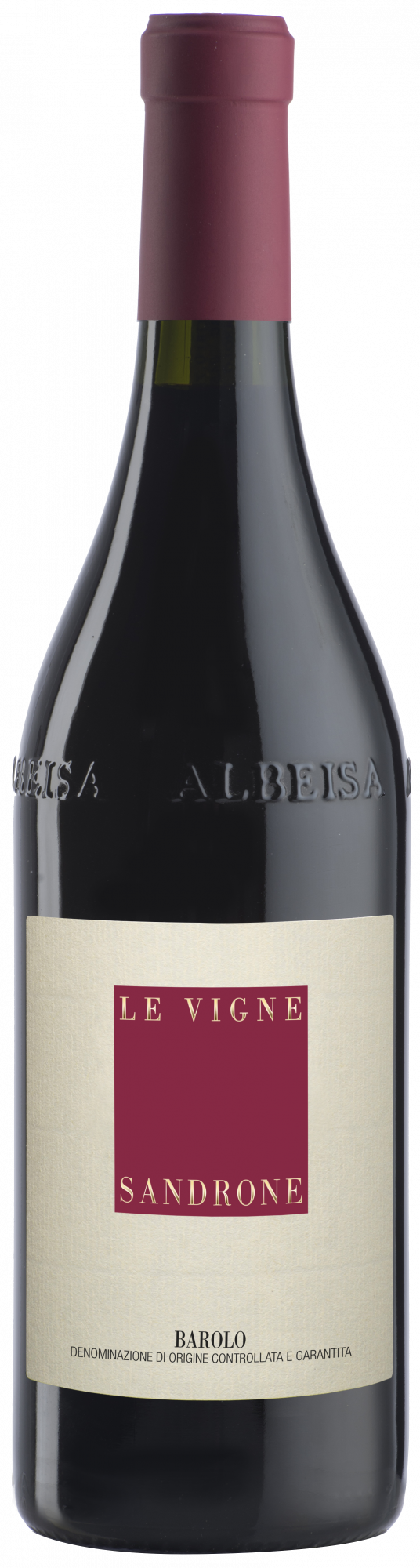
Le Vigne Barolo
Barolo
Le Vigne is a wine created from four different Nebbiolo vineyards, each of which brings its own contribution. This union generates an exceptionally complex wine that is round and harmonious on the palate, with fruity and spicy notes, and this approach of blending together plots is in fact the traditional one in Barolo.
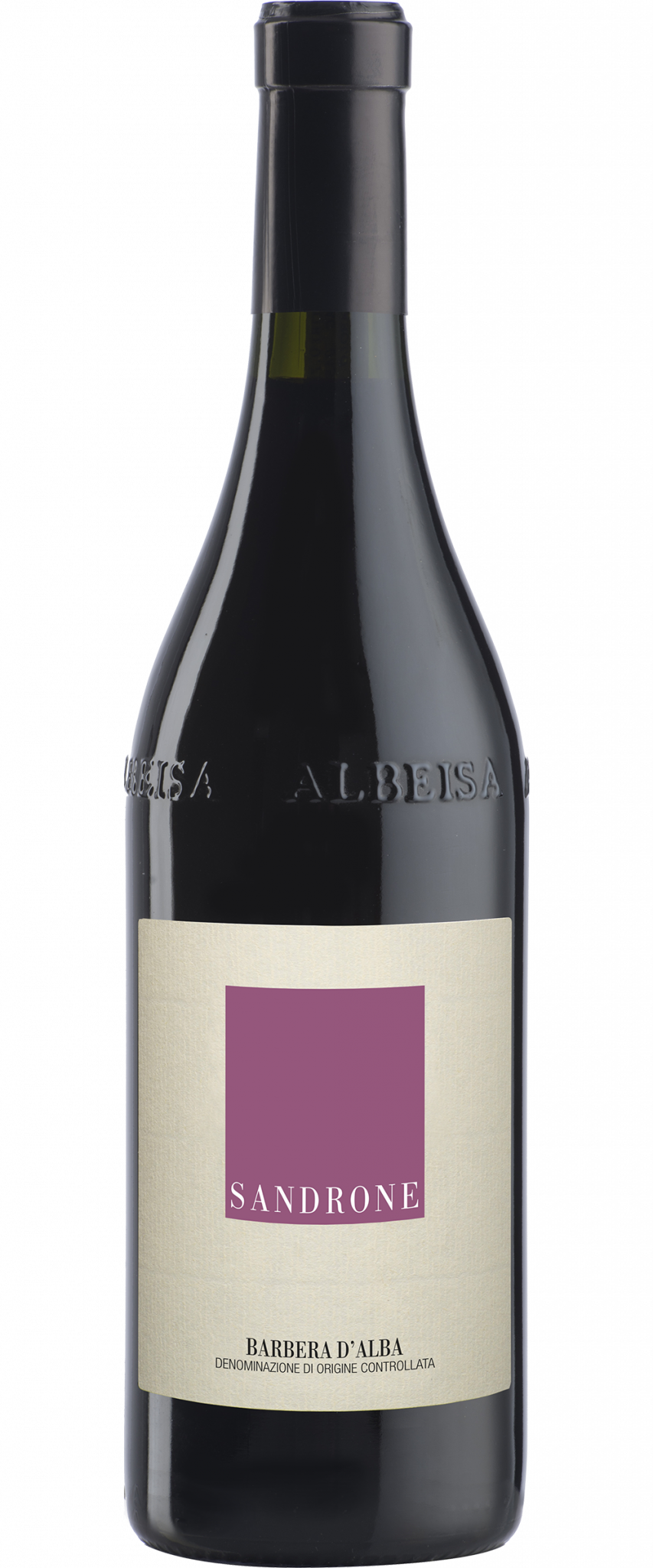
Barbera d’Alba
Barbera d'Alba
The Sandrone Barbera d'Alba comes from three vineyards: Merli and Rocche di San Nicola in Novello, and Cascina Pe Mol in Monforte d’Alba. It is widely considered one of the most intense and complex Barberas produced.
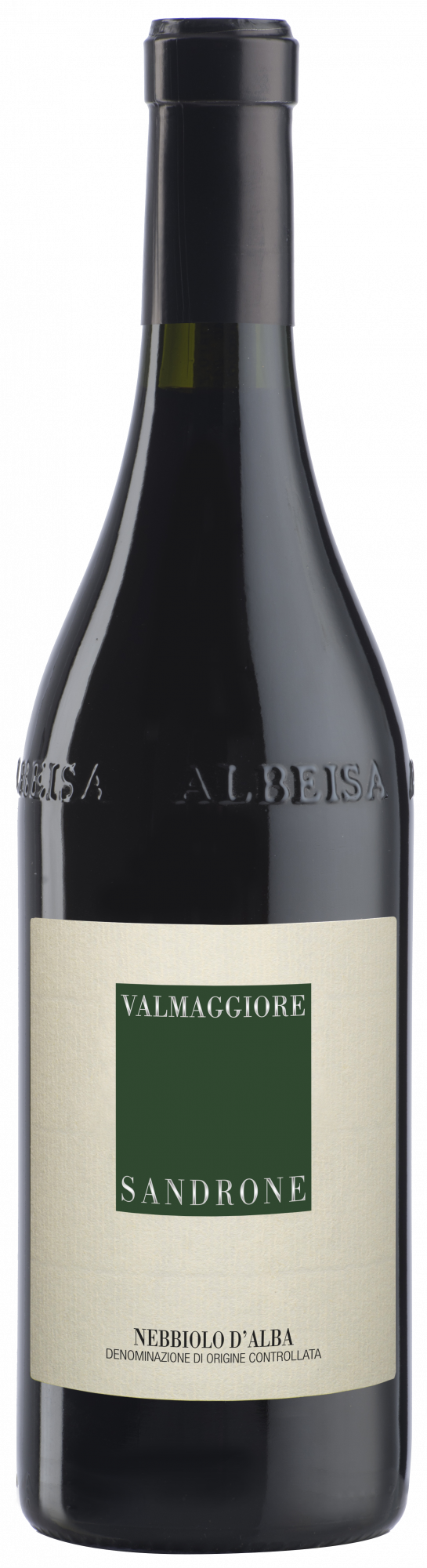
Valmaggiore
Nebbiolo d'Alba
Valmaggiore is the product of Luciano’s incredible passion for the Nebbiolo grape variety and its different expression. Just 15 miles away from Barolo, in the Roero region, Nebbiolo produces a lighter structure and ripe, smooth tannins that are not unlike those of Pinot Noir. This is not a “baby Barolo” or a second wine at all – it is a distinct interpretation of Nebbiolo from a completely distinct geographic zone.
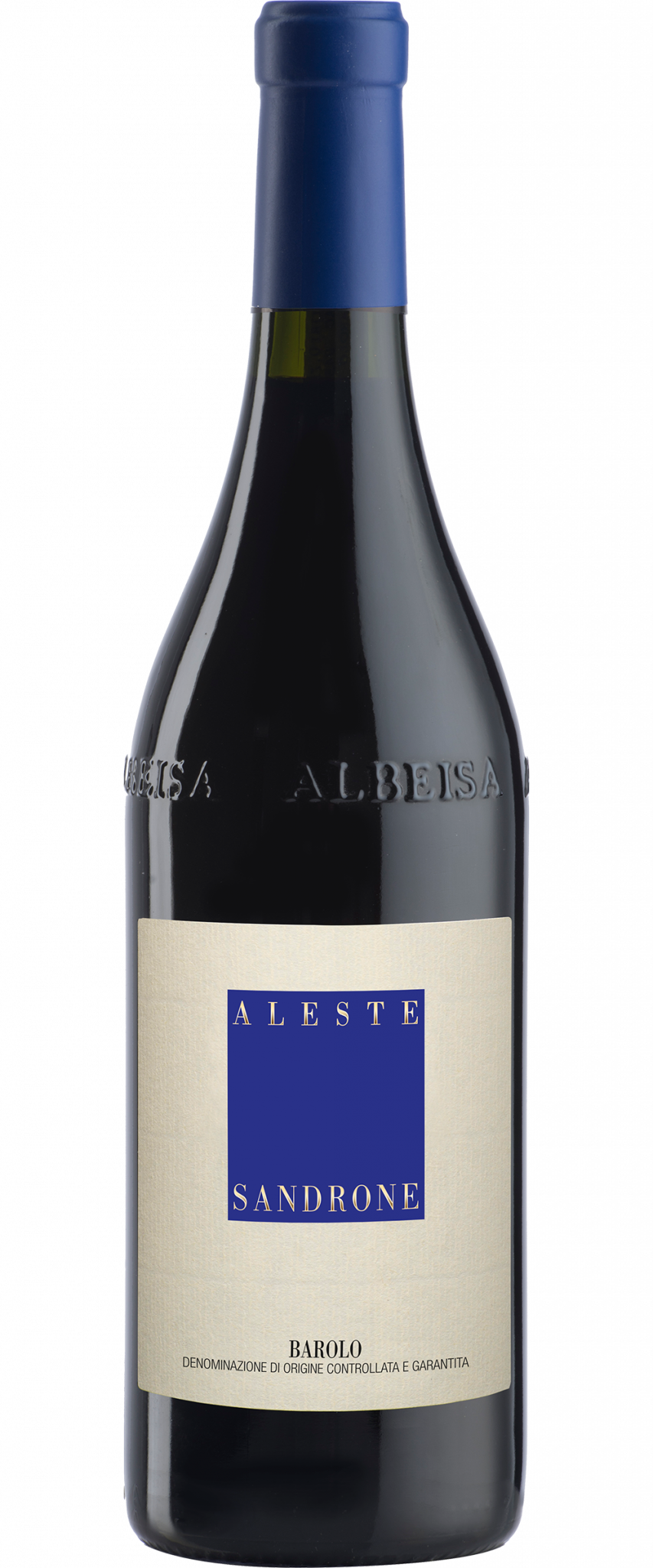
ALESTE Barolo
Barolo
A combination of the names of Luciano Sandrone's grandchildren ALEssia and STEfano, ALESTE is the new name for Luciano's first wine, the Barolo Cannubi Boschis, which garnered early acclaim with the international trade and press. This single-vineyard wine is typically dense and concentrated, but shows incredible harmony and balance.
