E. Guigal
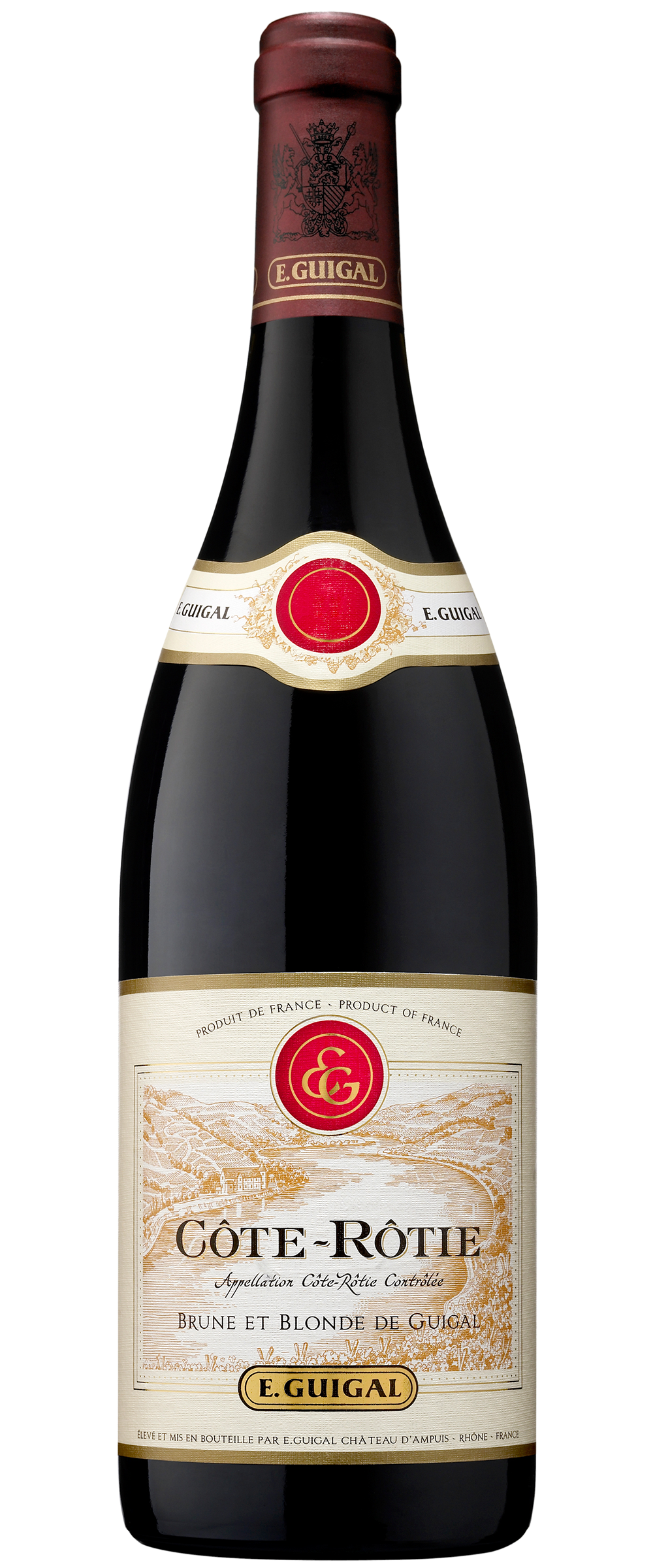
Côte-Rôtie Brune et Blonde
Guigal is synonymous with the Côte-Rôtie area, for bringing this great wine region to prominence, and for owning three times as much land as next largest land-owner, vinifiying 1/3 of the total appellation, and unquestionably holding the finest sites in this tiny, special area. The incredible Syrah from this area, co-fermented with a touch of Viognier, has tremendously balanced concentration, depth and finesse.
E. Guigal
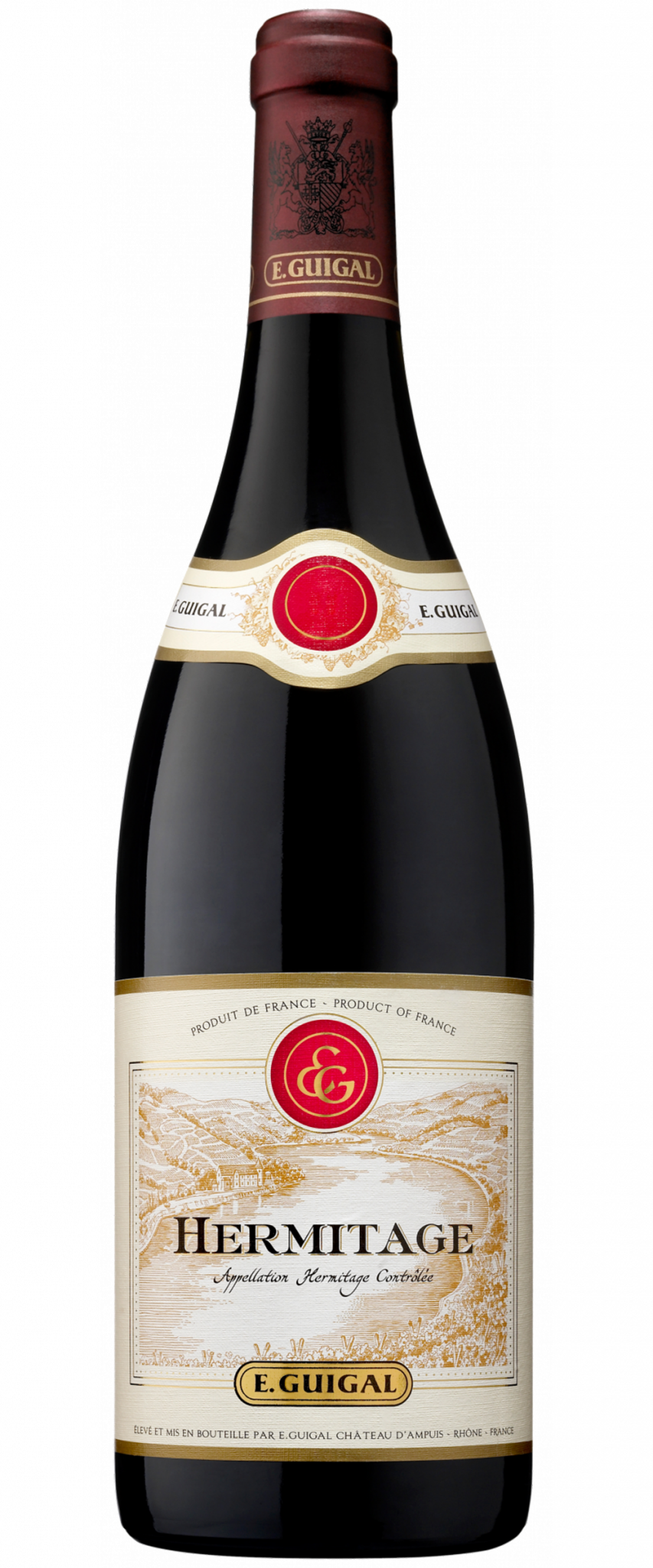
Hermitage
Hermitage
Hermitage is one of France’s most spectacular and famous appellations, producing small quantities of extraordinarily intense and ageworthy red wine and tiny amounts of dry white. The entire vineyard consists of 309 acres planted on a single granite hillside on the banks of the Rhône. The Hermitage Rouge is the example of a racy wine, that manages to remain seductive.
E. Guigal
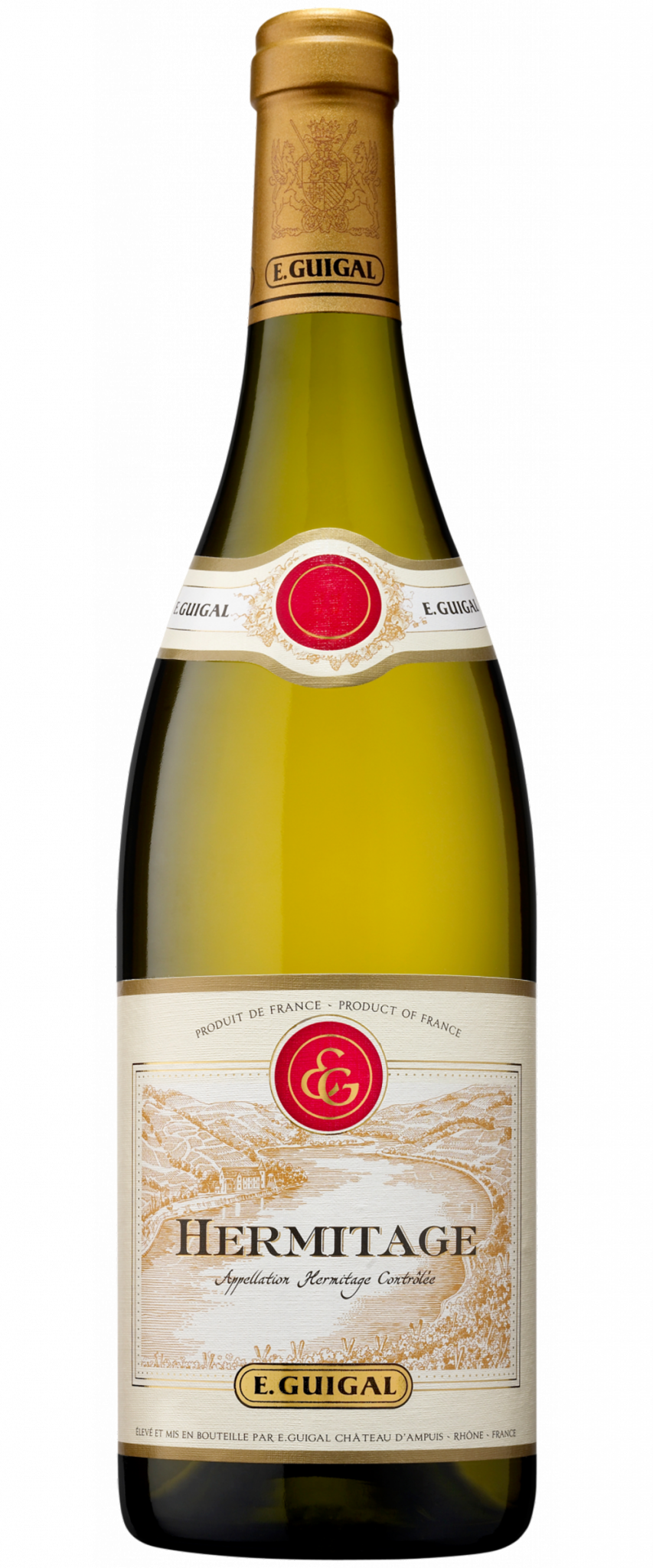
Hermitage Blanc
Hermitage
Whites make up a small percentage of production in the Rhône, under 2%, but white wines are a little bit of a secret specialty at Guigal and today comprise 25% of their production. And for good reason, as the whites of the Northern Rhône are true discovery wines, immensely appealing and complex. They specifically display an expressiveness and brightness while also capturing the warmth of the area. Even more of a discovery is Hermitage Blanc, one of the least-known yet most intriguing wines of the Rhône Valley and in the small 309 acre Hermitage AOC.
E. Guigal
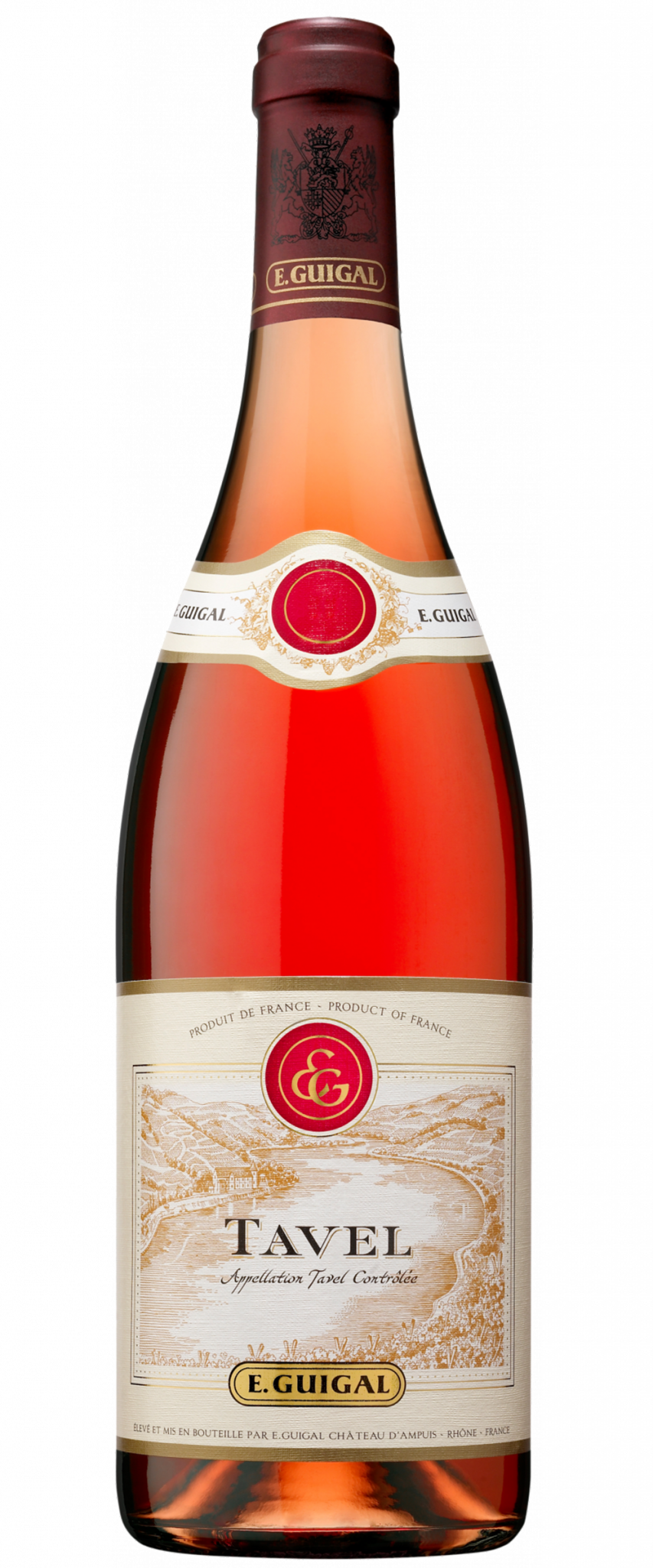
Tavel
Situated across the Rhône River from Châteauneuf-du-Pape, the vineyards of Tavel produce France’s finest rosé wine. The appellation status is only for low-yielding, rosé wines, and the wines have depth and structure.
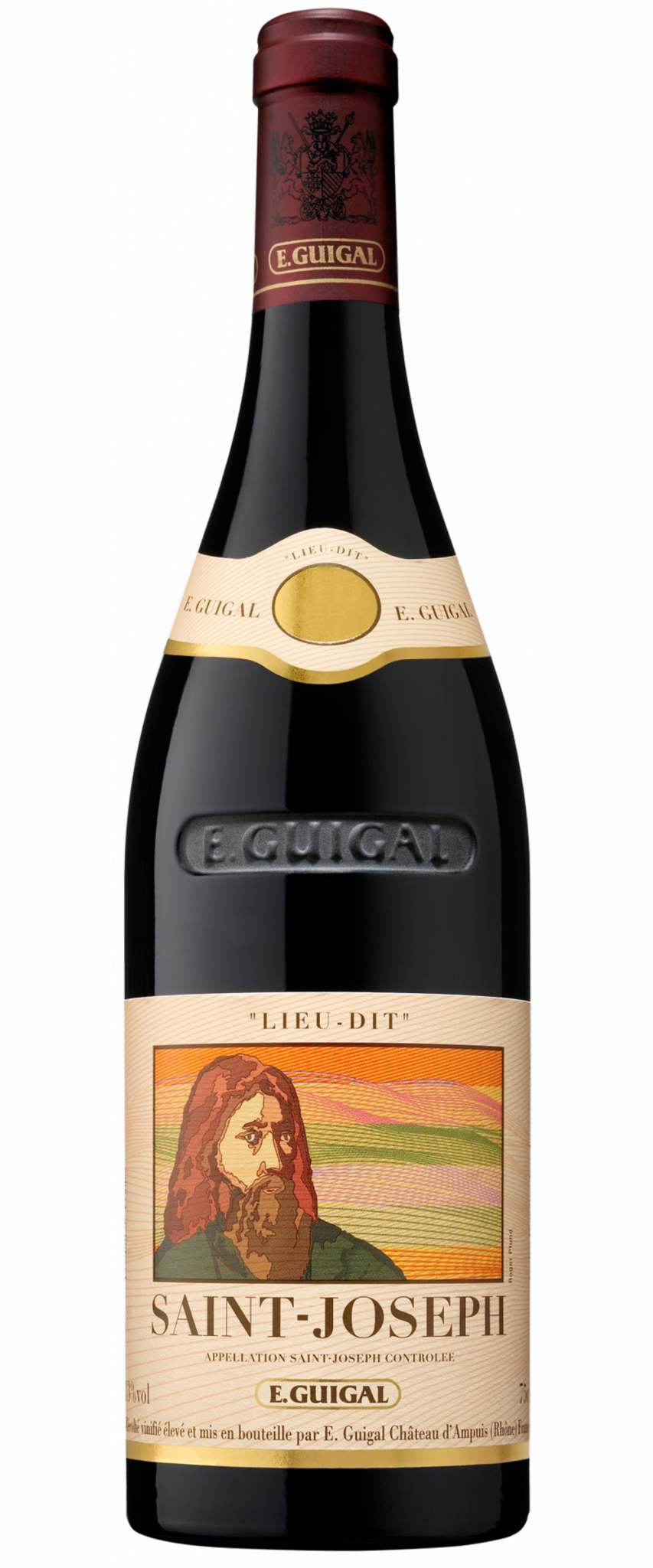
E. Guigal
Saint-Joseph Lieu Dit Rouge
Saint-Joseph
A result of its quality, Guigal’s Saint-Joseph Lieu Dit Rouge comes from the “Saint-Joseph” vineyard that gives the appellation its name. This site convinced the Guigals to work in Saint-Joseph and help to restore the historic perception of Saint-Joseph as an appellation of utmost quality. The 100% Syrah wine has complex and deep black fruit, floral, spice and mineral characteristics. Despite its concentration and powerful attack, the wine retains the trademark elegance that Saint-Joseph offers.
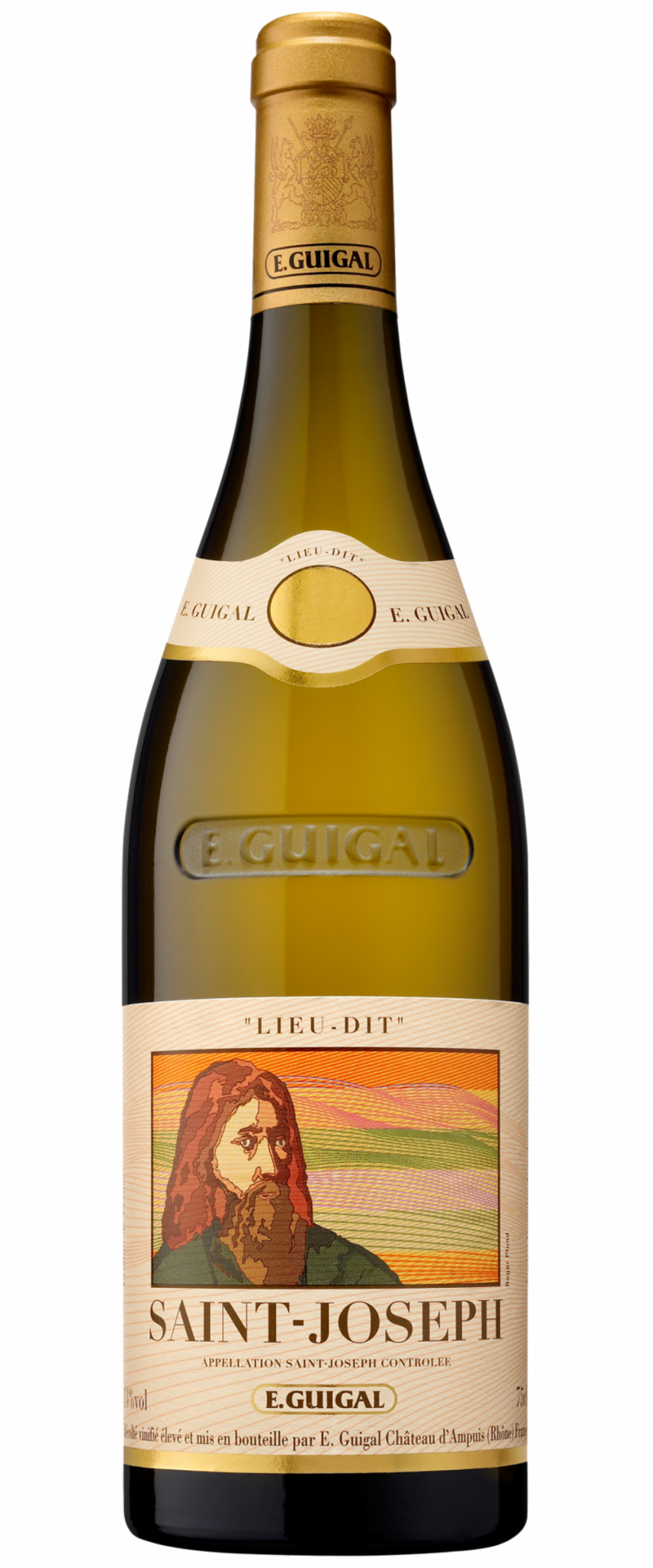
E. Guigal
Saint-Joseph Lieu Dit Blanc
Saint-Joseph
A result of its quality, Guigal’s Saint-Joseph Blanc Lieu Dit comes from the “Saint-Joseph” vineyard that gives the appellation its name. This site convinced the Guigals to work in Saint-Joseph and help to restore the historic perception of Saint-Joseph as an appellation of utmost quality. Saint-Joseph Blanc is a serious wine, with weight and complexity, and is deeply reflective of its vineyard sites. A seamless balance of freshness and fruitiness, pleasure and interest, and flavors and structure. Guigal’s specialty in whites is especially evident in this wine, as it is almost a deceptively serious wine.
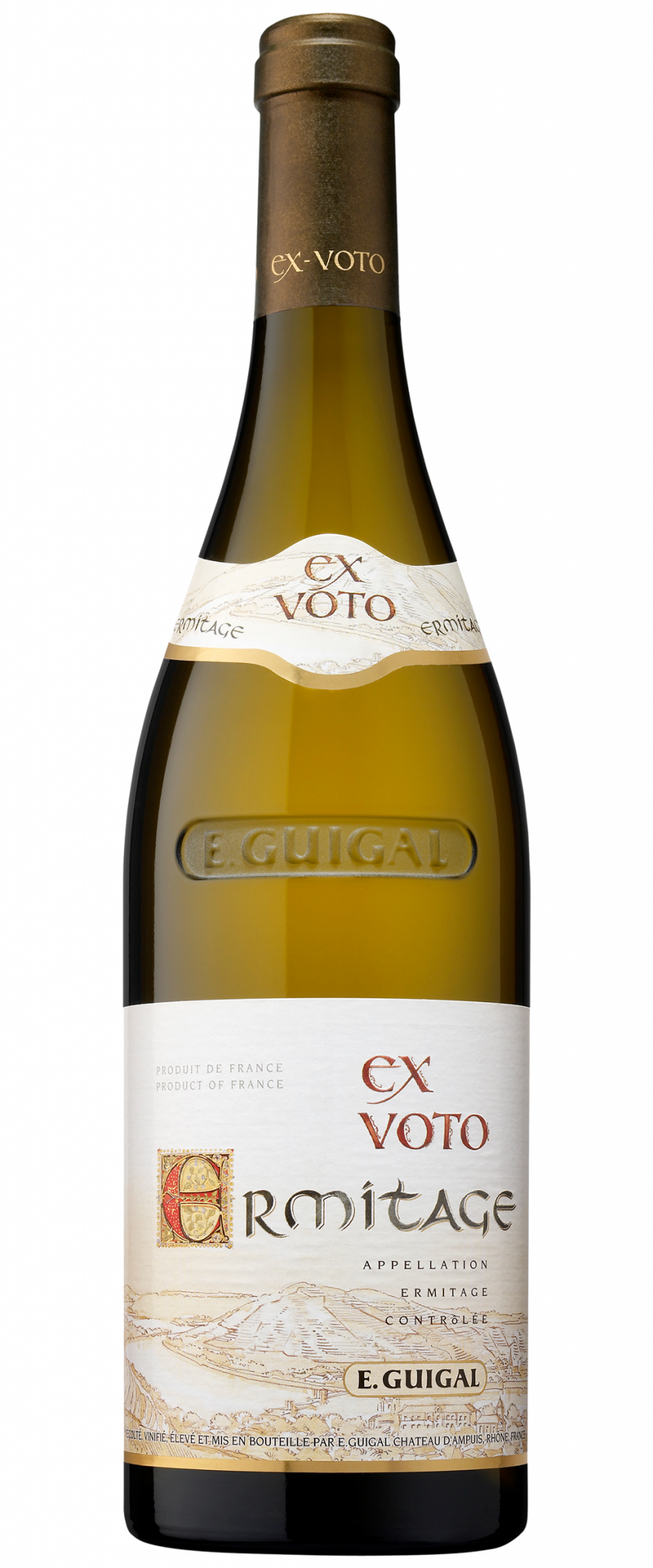
E. Guigal
Ermitage Ex Voto Blanc
Hermitage
Ermitage Ex-Voto represents the fulfillment of a longtime dream of Marcel Guigal’s to own vineyard land on the hill of Hermitage. Through the purchase of the de Vallouit and J. L. Grippat domaines in 2000, Guigal acquired four exceptional vineyard parcels on this legendary site. The 2001 vintage was the first release of this estate-bottled Hermitage red and white. The quality of the intense old-vine fruit is quite special, but given the Guigal’s already strong work in Hermitage, they decided to only release an Ex-Voto red or white when the wine is utterly exceptional and clearly superior to their appellation bottlings.
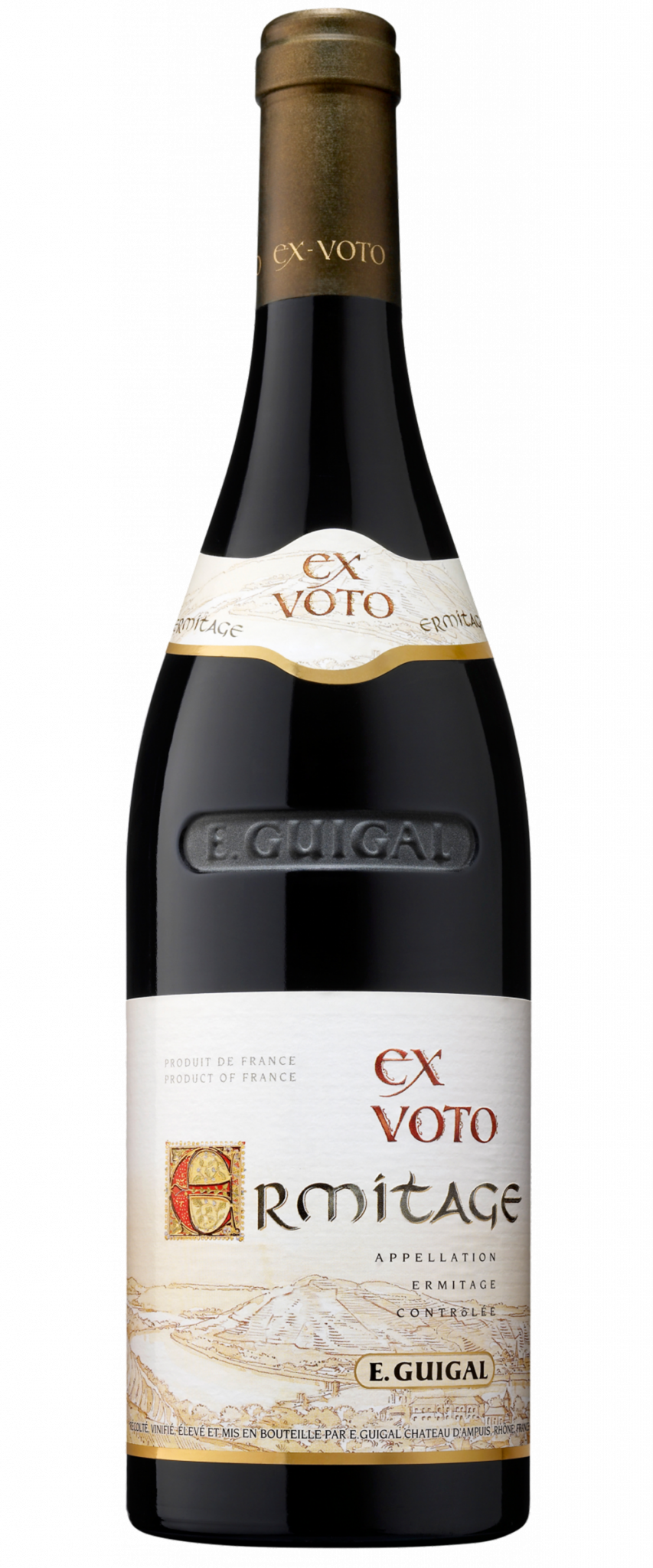
E. Guigal
Ermitage Ex Voto Rouge
Hermitage
Ermitage Ex-Voto represents the fulfillment of a longtime dream of Marcel Guigal’s to own vineyard land on the hill of Hermitage. Through the purchase of the de Vallouit and J. L. Grippat domaines in 2000, Guigal acquired four exceptional vineyard parcels on this legendary site. The 2001 vintage was the first release of this estate-bottled Hermitage red and white. The quality of the intense old-vine fruit is quite special, but given the Guigal’s already strong work in Hermitage, they decided to only release an Ex-Voto red or white when the wine is utterly exceptional and clearly superior to their appellation bottlings.

E. Guigal
Condrieu La Doriane
Condrieu
La Doriane is a luxury cuvée of Condrieu that the Guigals have produced since the 1994 vintage. A great success since the first vintage, the wine always seems richly oaked and very fruity when young, transforming in 3-4 years into a seamlessly complex, aromatic and vibrant wine. La Doriane contradicts the accepted wisdom that Condrieu does not age well.
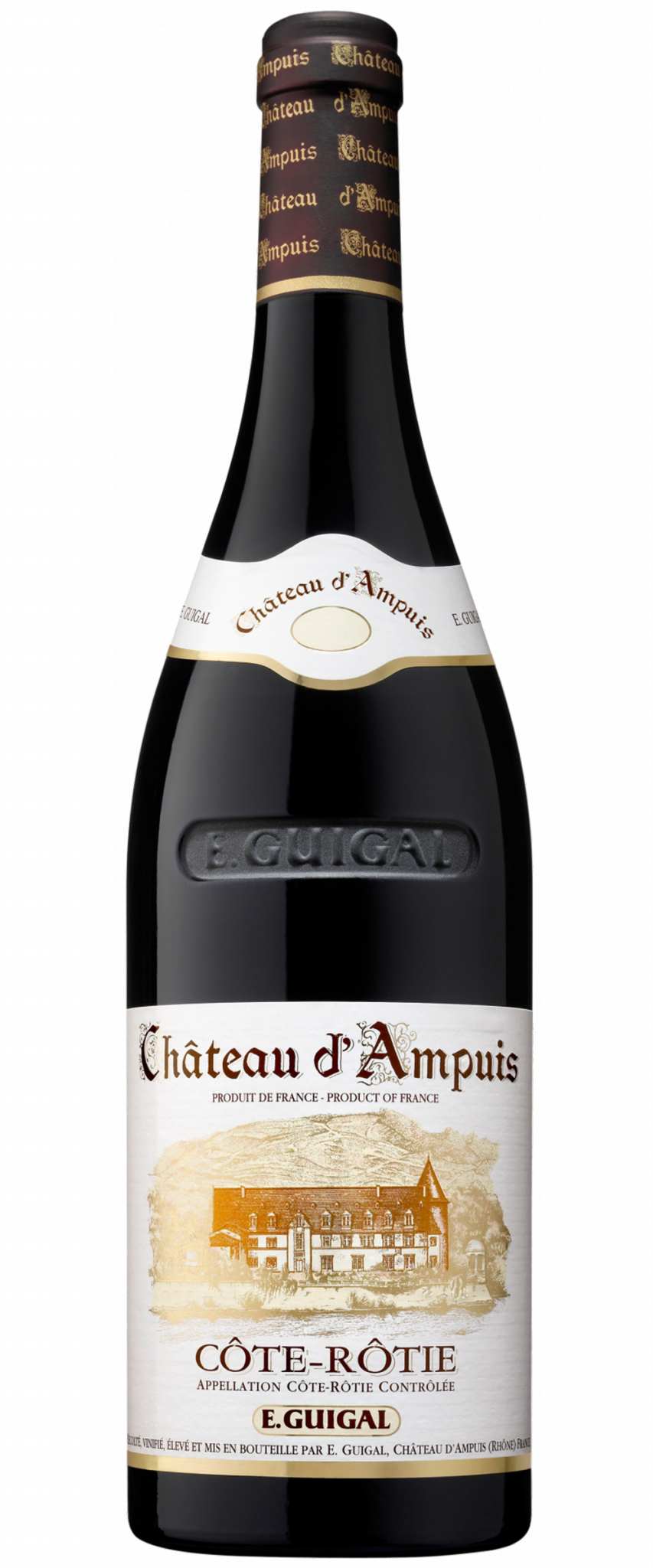
E. Guigal
Côte-Rôtie Château d’Ampuis
The Guigal family spent 15 years restoring Château d'Ampuis, a historic property whose oldest sections date to the 11th century. The Château d’Ampuis has been the symbol of the town of Ampuis and the world-renowned Côte-Rôtie vineyard area for ten centuries. When the Guigal family learned that there was at one time a wine produced with the Château d’Ampuis name, they decided to produce an exceptional wine that would showcase the best that Côte-Rôtie has to offer.
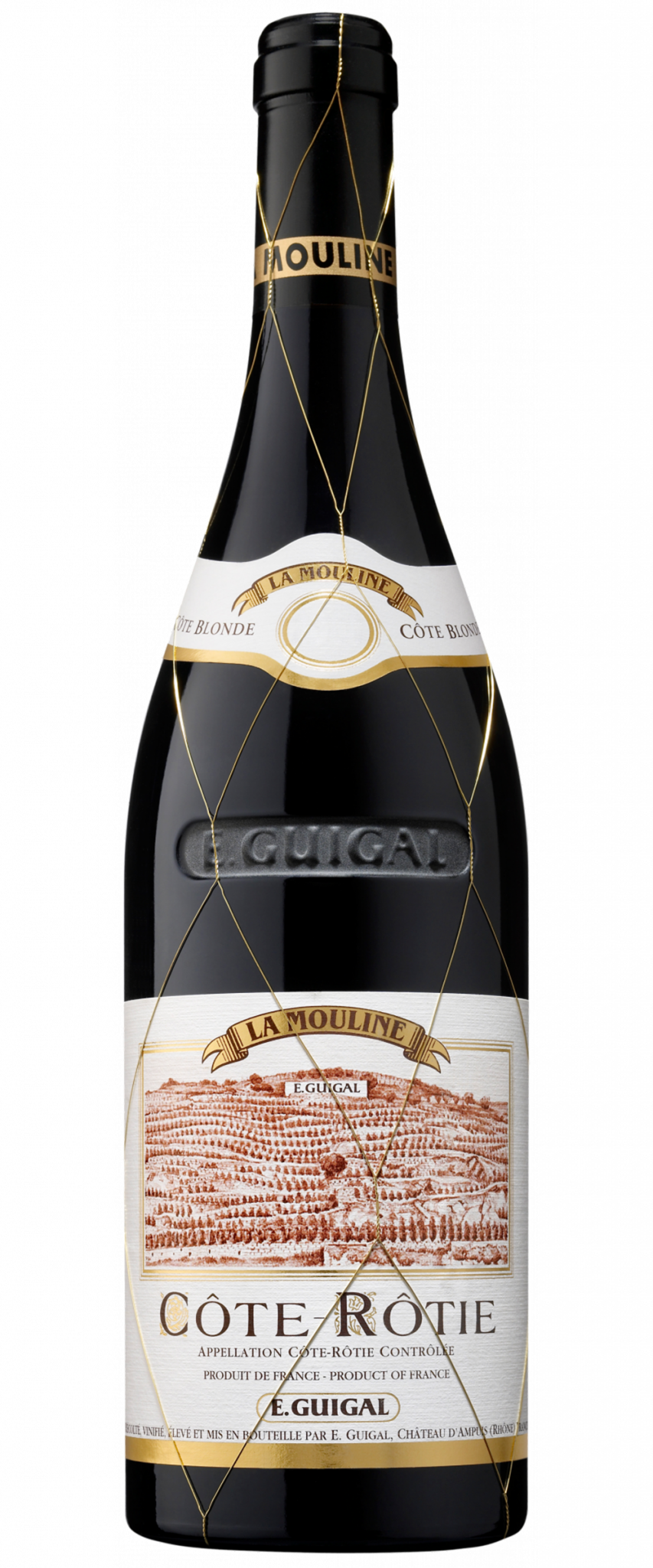
E. Guigal
Côte-Rôtie La Mouline
Côte-Rôtie
First planted by the Romans 2,500 years ago, La Mouline is the oldest and most famous vineyard of Cote-Rotie, and Guigal’s single vineyard bottling of La Mouline in the 1960s set off a quality revolution throughout the Rhone Valley. The stunning amphitheater is the most complex plot in Cote-Rotie due to its extremely steep slopes with expositions in every direction. Of the three famous “LaLas” that Guigal produces and are the most collectible wines of the Rhone Valley, La Mouline was the first and is the only one on the Cote Blonde, and its signature is an unbelievable exoticism, an irresistibly and unique lifted floral, black fruit, earthy, spicy perfume, its coiled power always in balance, seemingly endless.
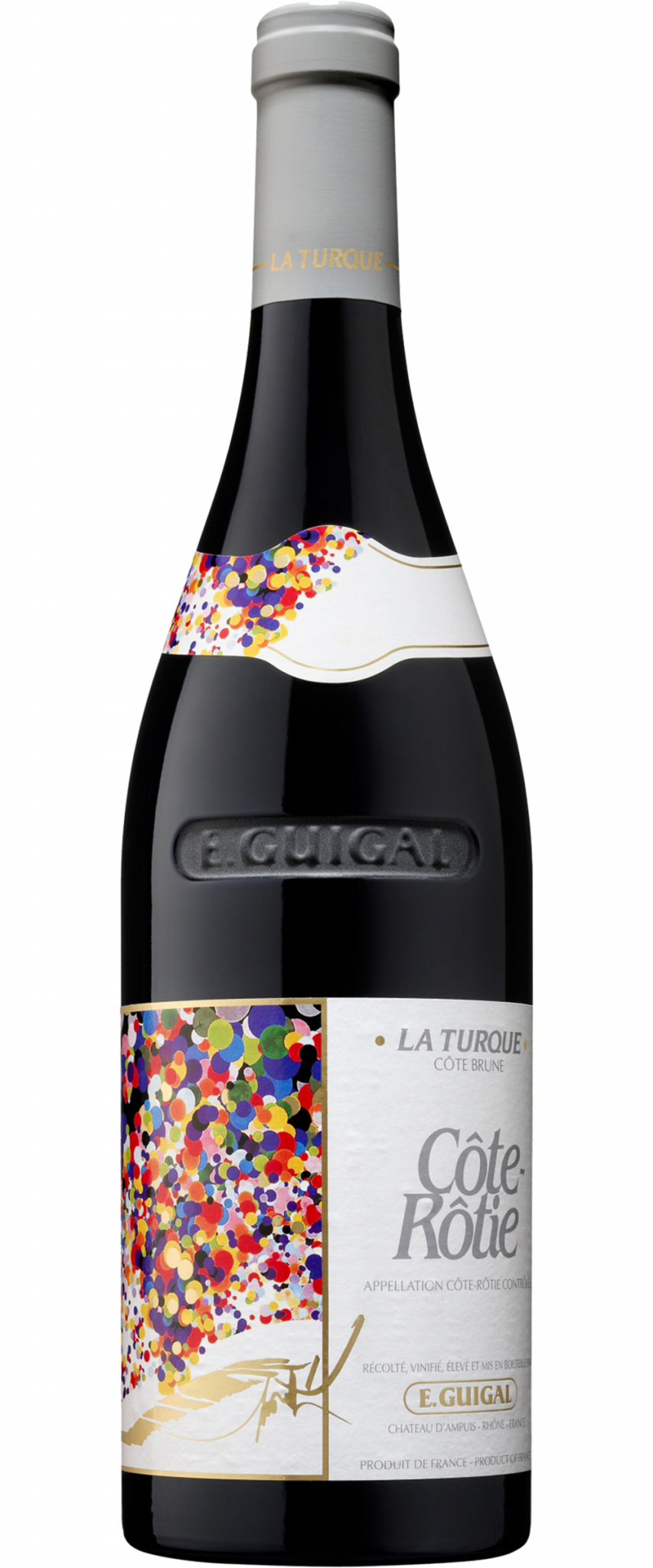
E. Guigal
Côte-Rôtie La Turque
Côte-Rôtie
Of the three famous single-vineyard “LaLas” that Guigal produces and are the most collectible wines of the Rhone Valley, La Turque is the newest. This vineyard produced outstanding wines in the first half of the 20th century, but then was not used for wine production for nearly 50 years. The Guigals acquired the vineyard and re-planted it in 1980 and 1981, based on Etienne Guigal’s memory of the quality of the wines it once produced. The first vintage appeared in 1985. In both position and style, it sits between La Mouline and La Landonne: the complex soils lend an exotic character to La Turque, and its concentration and elegance exhibit the virility of the Côte Brune with the subtlety and femininity of the Côte Blonde.
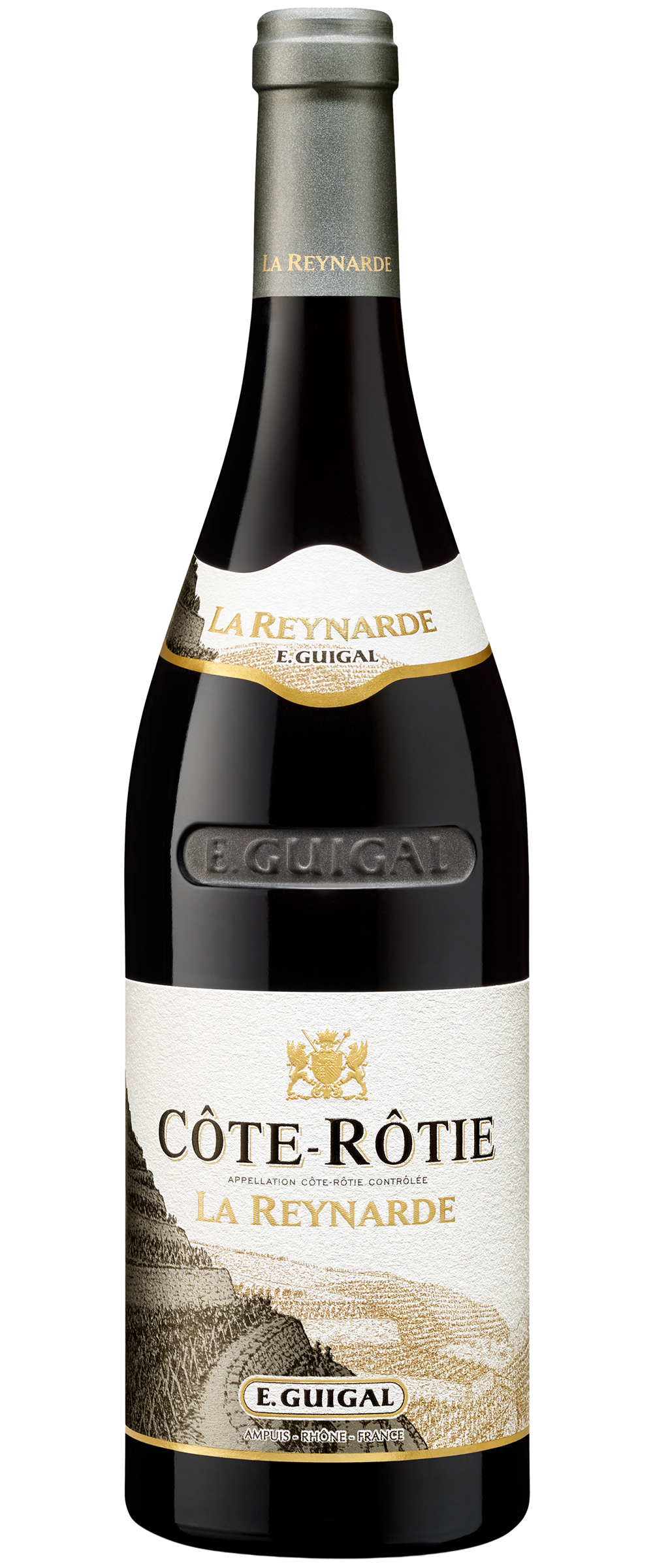
E. Guigal
Côte-Rôtie La Reynarde
Côte-Rôtie
From a steep Côte Brune vineyard planted in 2010 to honor the birth of Philippe Guigal’s twin sons, La Reynarde is 100% Syrah grown on granite, schist and iron-rich clay. In style, it sits between La Turque and La Landonne, showing a lifted and exotic floral character that differentiates it from the other LaLa’s, with a superbly precise density and length.
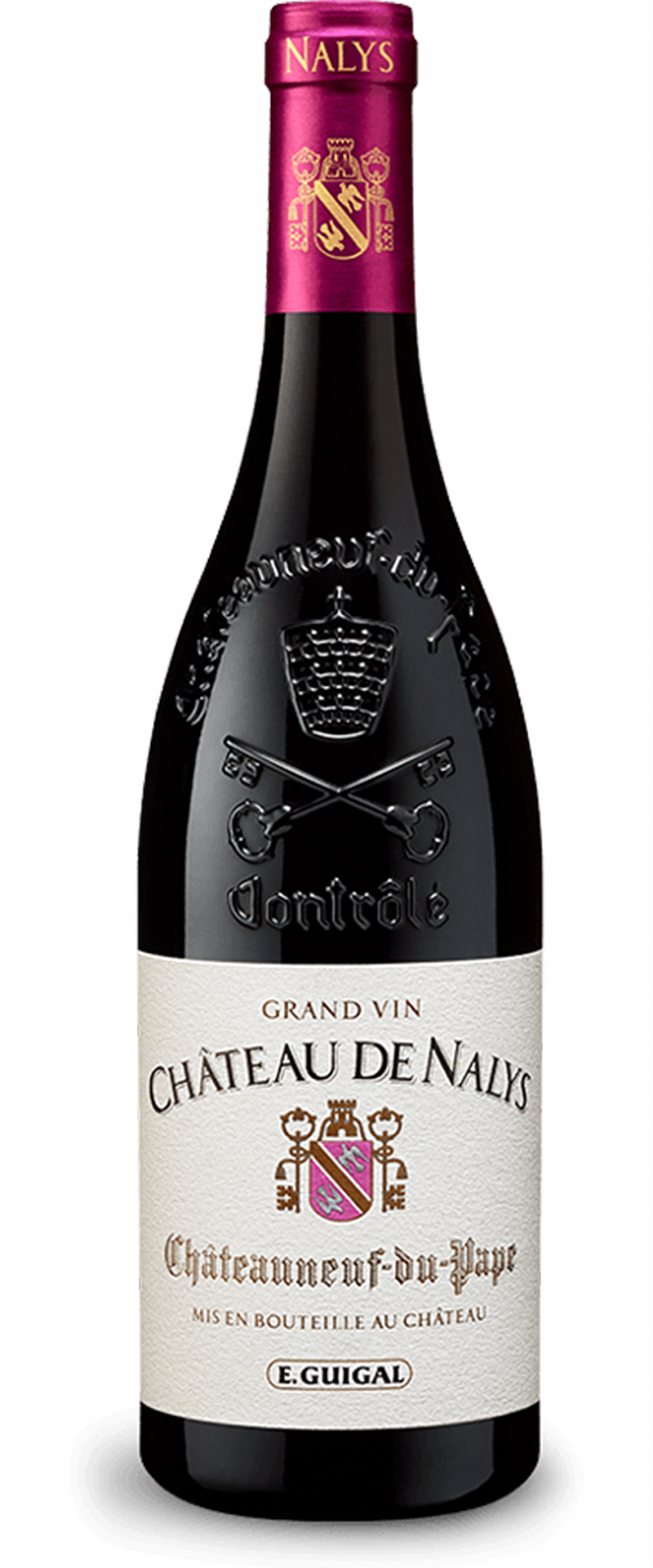
Château de Nalys
Châteauneuf-du-Pape Grand Vin
Châteauneuf-du-Pape
The realization of the Guigal family's dream of Chateauneuf-du-Pape: 3 extraordinary vineyards coming together in an intensely expressive, utterly complete wine. It defines the estate style with a precision of fruit, spice and mineral structures and, notably, a beautifully composed structure that builds and unfolds.
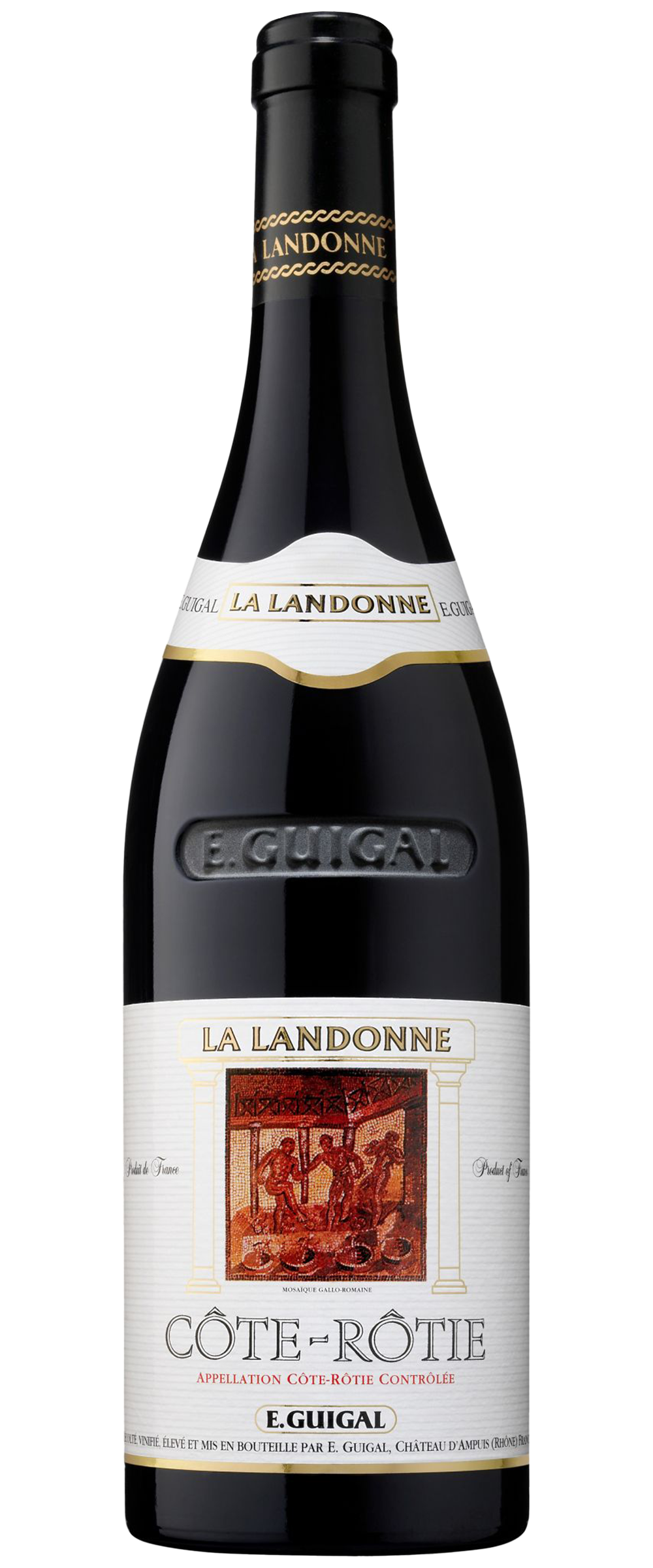
E. Guigal
Côte-Rôtie La Landonne
Côte-Rôtie
One of the three “LaLa” wines that Guigal produces and are the most collectible wines of the Rhone Valley, La Landonne is a remarkable expression of terroir. And for good reason, La Landonne is situated on one of the steepest vineyards of the Côte Brune, a 45 degree slope that remarkably requires harvesters to start picking from the bottom of the vineyard and work their way up, placing grape bunches in bins that are set on sleds and dragged up the hill. Along with its position at the northern end of the Côte Brune and the fact it is the last vineyard to ripen, La Landonne is the mirror of the feminine and voluptuous La Mouline: it is a wine of driving power, defined by its dark fruit and structure. The first vintage Guigal produced was in 1978, after being planted in 1975 at the time of Philippe Guigal’s birth.
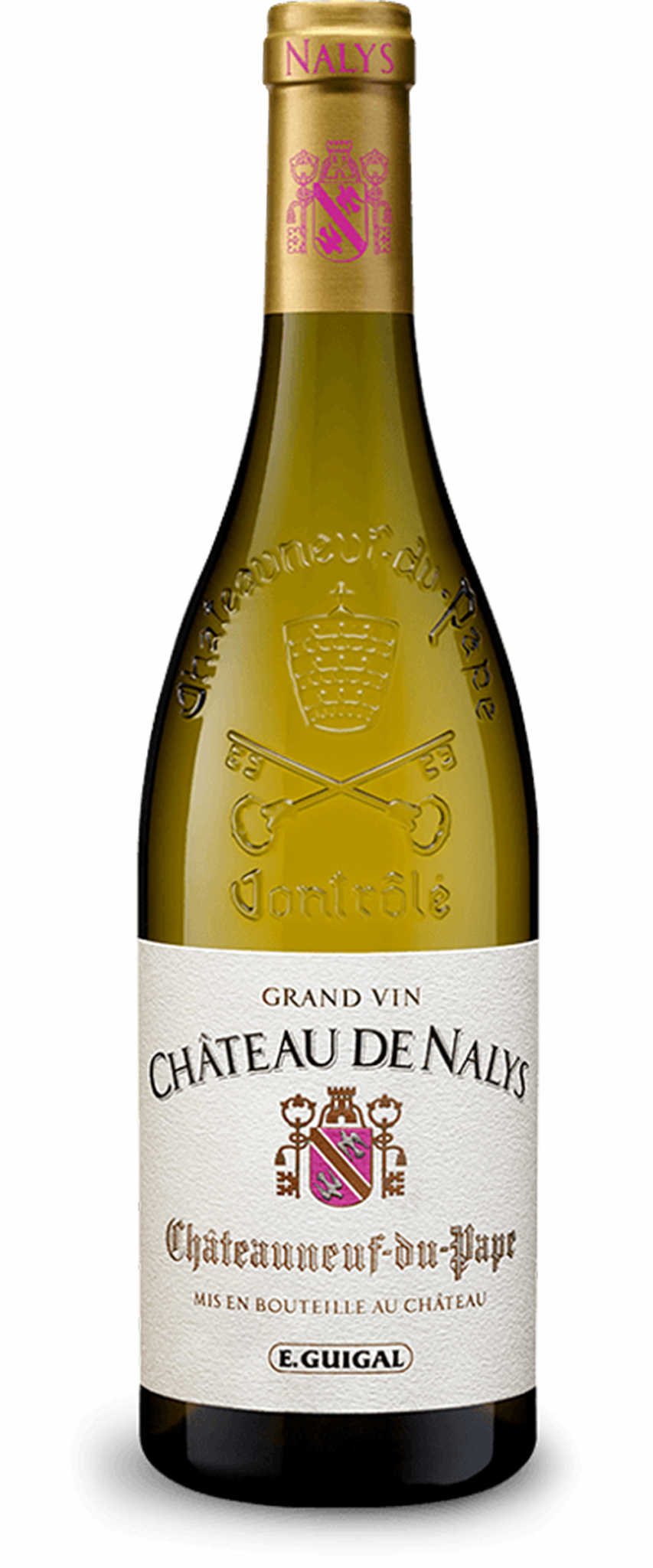
Château de Nalys
Châteauneuf-du-Pape Grand Vin Blanc
Châteauneuf-du-Pape
Guigal's mastery of growing and producing white wine varieties in the Rhone Valley is exemplified in this wine of immense breadth and power, elegance and expression. Intensely aromatic nose of white flowers, citrus and a touch of vanilla, on the palate the presence is undeniably penetrating, with a deep minerality joining the notes above.
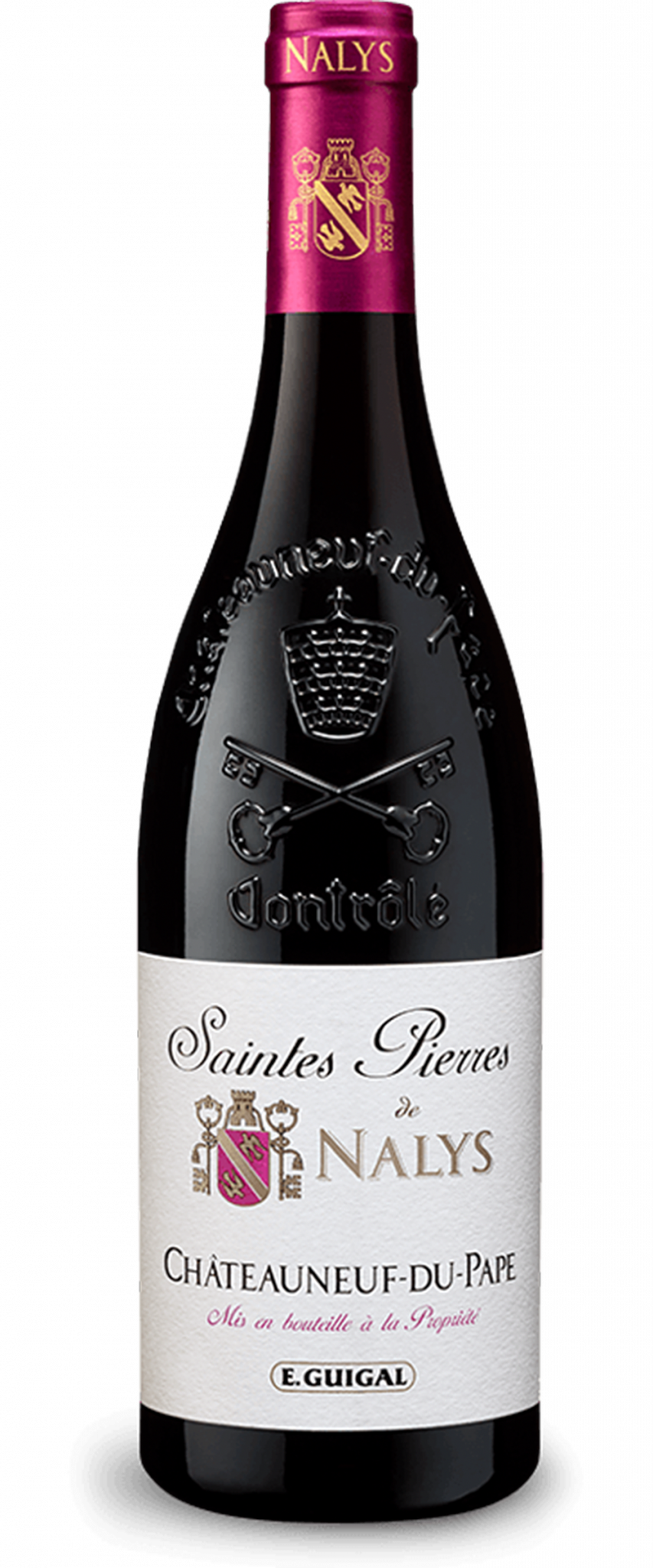
Château de Nalys
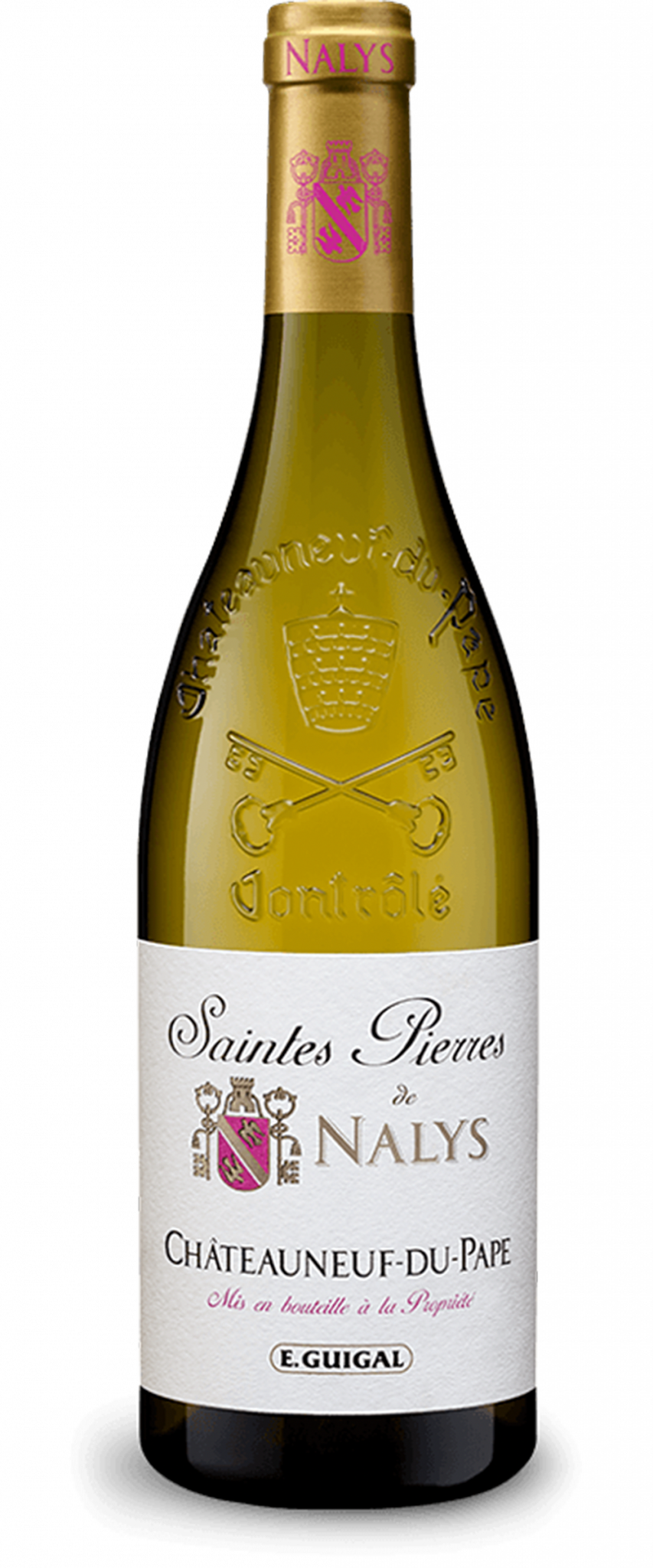
Saintes Pierres de Nalys Châteauneuf-du-Pape
Châteauneuf-du-Pape
Translated as "holy stones", a play on the soils and history of Chateauneuf-du-Pape, the second red wine to Chateau de Nalys is an altogether different animal. Differing varietal and plot selections, fermentation, and aging result in a wine that is rich and ample, yet offers immense direct and approachable pleasure; a wine of red fruits, supple structure and brightness.
Château de Nalys
Saintes Pierres de Nalys Châteauneuf-du-Pape Blanc
Châteauneuf-du-Pape
The second white wine to the Chateau de Nalys Grand Vin Blanc has a character all its own, with a strongly different varietal and plot composition, and like its red Saintes Pierres counterpart, a fermentation, and aging geared towards emphasizing freshness. The hallmark seamlessness of Guigal's white wines is especially evident in this wine, which is unlike any Chateauneuf white we have experienced in its grace and lift.
Rotem and Mounir Saouma
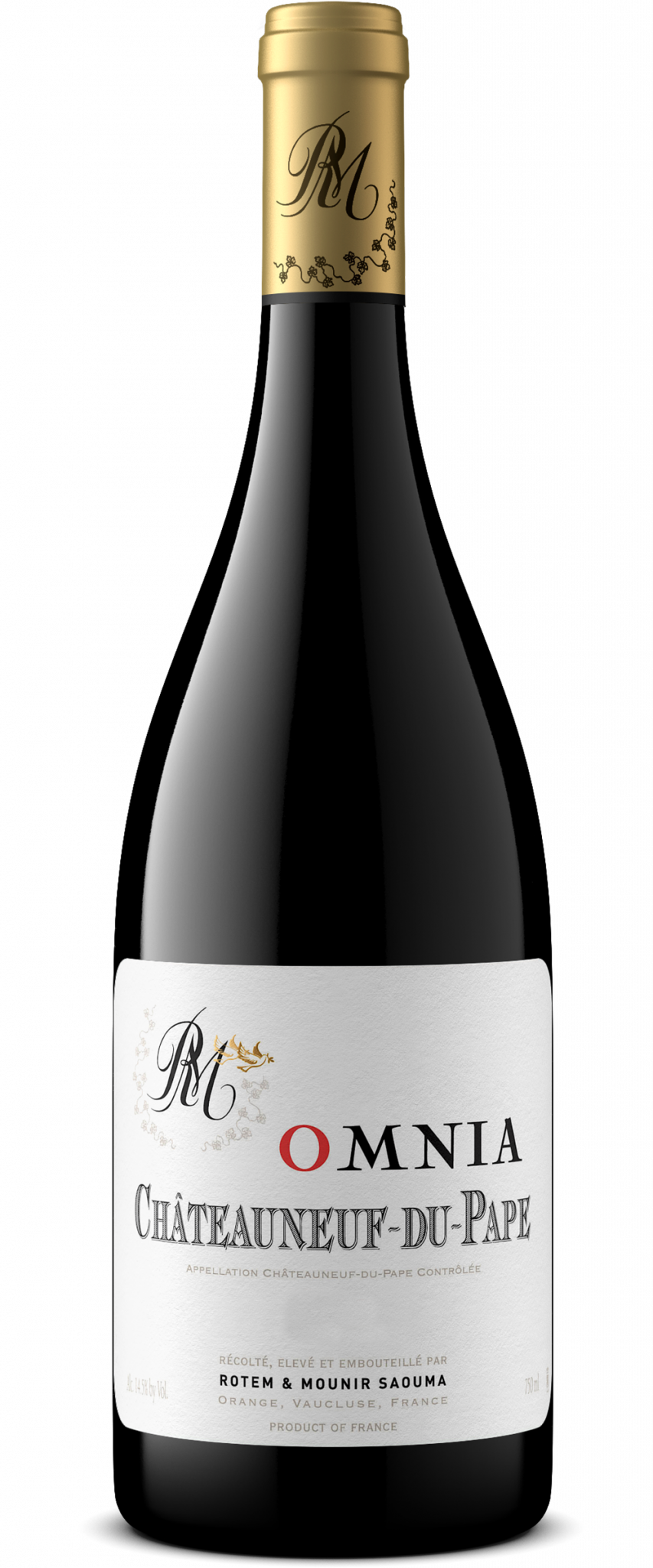
Châteauneuf-du-Pape Omnia
Châteauneuf-du-Pape
Omnia, Latin for "all," is a wine that attempts to encompass the full diversity of the Chateauneuf-du-Pape appellation, both in its terroir and vinification. Fruit comes from vineyards in all 5 of the Chateauneuf communes (Chateauneuf-du-Pape, Courthezon, Sorgues, Bedarrides and Orange) and aged in foudre, cement and 500 liter barrels.
Rotem and Mounir Saouma
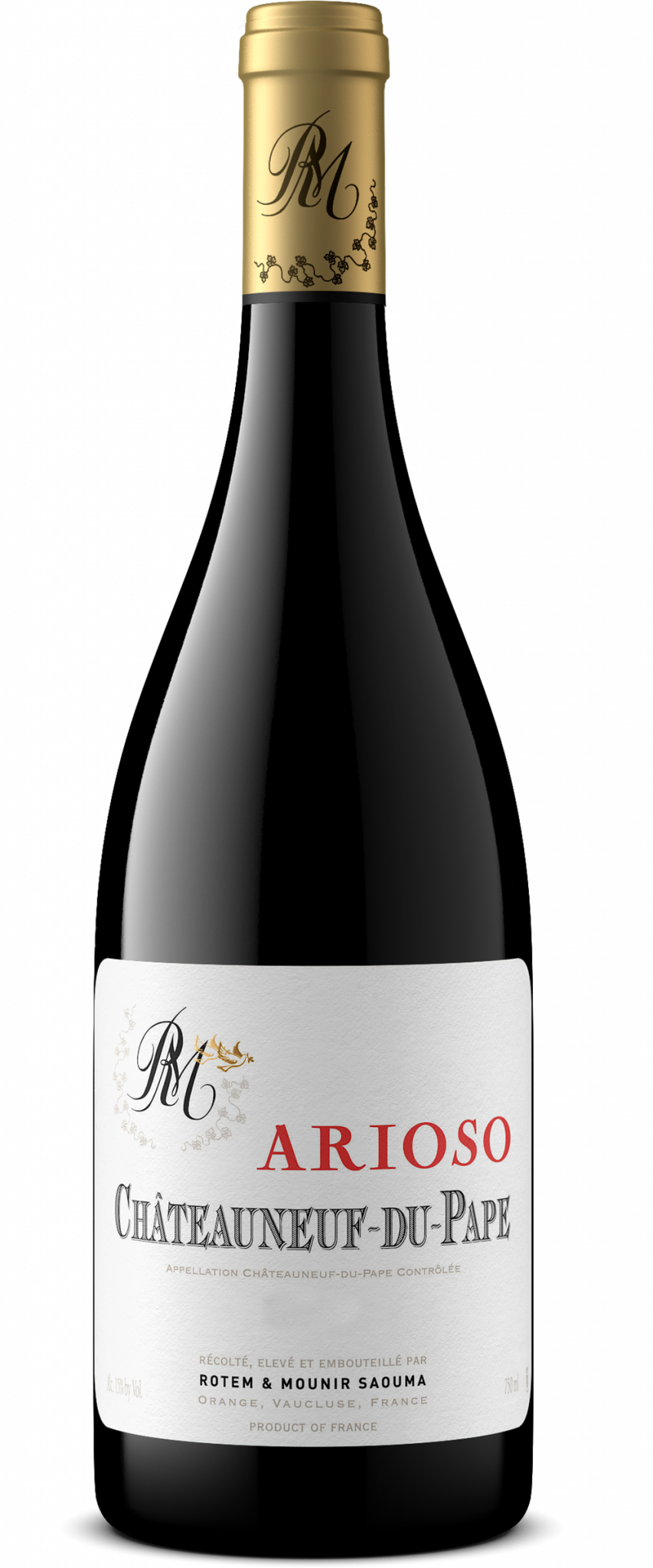
Châteauneuf-du-Pape Arioso
Châteauneuf-du-Pape
From his original 5 acres in Pignan, Mounir has one plot, of 100% Grenache planted in the 1930s, which yields naturally at a miniscule 1 ton per acre. From these vines he produces Arioso, a Chateauneuf of astounding depth and finesse.
