Lucien Le Moine
Beaune 1er Cru “Le Clos des Mouches” Rouge
Beaune 1er Cru “Le Clos des Mouches” Rouge

Lucien Le Moine
Chassagne-Montrachet 1er Cru “Morgeot” Rouge
Chassagne-Montrachet 1er Cru “Morgeot” Rouge
Lucien Le Moine
Pommard 1er Cru “Les Epenots”
Pommard 1er Cru “Les Epenots”
The vineyard for Lucien Le Moine’s Les Epenots has a clay and humidic soil, down on the bottom of the hill. It is compact soil, with not a lot of drainage. The wines as a result are very tannic, and need time. Les Epenots is a very powerful Pommard, with a lot of depth and muscle, and plum and spice notes. It is, as Mounir says, almost Bordeaux-like.
Lucien Le Moine
Pommard 1er Cru “Les Grands Epenots”
Pommard 1er Cru “Les Grands Epenots”
The 25 acre Les Grands Epenots vineyard is considered by some one of the very finest climats in Pommard. The fruit for Lucien Le Moine’s “Les Grands Epenots” comes from higher up in the vineyard leading to a classic and very fine expression. The vineyard is higher, it has better drainage, and there is more limestone, resulting in a wine that is both silkier and more easygoing than “Les Epenots.”
Lucien Le Moine
Volnay 1er Cru “Santenots”
Volnay 1er Cru “Santenots”
The Santenots vineyard comprises about 56 acres. Down in Meursault, actually in the village of Meursault, Santenots is really planted on white wine soils. Sometimes you can even find the smokiness of Meursault in the wines. They are light and fruity wines, easily gliding through the palate because they don’t have firm structure.
Lucien Le Moine
Volnay 1er Cru “Clos des Chênes”
Volnay 1er Cru “Clos des Chênes”
Clos des Chênes is a Premier cru site located at the southern end of Volnay. It is just up the hill from neighboring Les Caillerets, but is opposite in style: Clos des Chênes is typically a fuller wine than les Caillerets, with more body, tannins, depth and spice.
Lucien Le Moine
Grands Échezeaux Grand Cru
Grands Échezeaux Grand Cru
Grands Échézeaux is a 23 acre vineyard, one that only recently Lucien Le Moine has started working with to produce wines that show unusual subtlety and harmony. Mounir describes Grands Échézeaux 22 as the “Les Amoureuses” of Vosne. It sits between Échézeaux and Clos de Vougeot, which are big and tannic, but Grands Échézeaux is very balanced and straight - nothing is exaggerated.
Lucien Le Moine
Échezeaux Grand Cru
Échezeaux Grand Cru
Lucien Le Moine has been producing one of the very finest examples of Échézeaux for several years running. Mounir says that you can make the analogy that Échézeaux is the syrah of Burgundy. On the Flagey side there is a flat exposition and the limestone is not as evident. As a result the wine has a licorice, smoky note which almost brings you to the Côte-Rôtie.
Lucien Le Moine
Clos de Vougeot Grand Cru
Clos de Vougeot Grand Cru
The largest Grand Cru in the Côte-de-Nuits, at 125 acres, Clos de Vougeot possesses differing soil structures and expositions and, notably, a large number of growers. The top of the vineyard features soils of pebbly limestone, which become marl further down the slope, and finally more alluival at the 23 bottom. Notoriously variable, from the best producers Clos de Vougeot produces generous, complex wines that can stand alongside any Grand Cru Burgundies.
Lucien Le Moine
Bonnes-Mares Grand Cru
Bonnes-Mares Grand Cru
Mounir thinks of Bonnes-Mares as the ambassador of all the Côte d’Or – taste 15 wines from the Côte de Beaune and Côte de Nuits, and when you come to Bonnes-Mares it will have all the fruit, tannin, sweetness, and spice of the wines you just tasted. Because of its multi-dimensional power and beauty, Bonnes-Mares has become one of if not the signature wine from Lucien Le Moine.
Lucien Le Moine
Masiz-Chambertin Grand Cru
Mazis-Chambertin Grand Cru
The Mazis-Chambertin parcel used by Lucien Le Moine lies in poor clay soils, from the highest part of the vineyard where there is only 4 inches of soil. Mounir likes to say that the sun almost touches the roots. As a result, this wine has powerful, jammy, almost barbecue flavor and a lot of smokiness (some will attribute this to oak, but it is the natural character of the site). There is an animal side to the wine that at Lucien Le Moine is tempered by an extended aging which brings out notably a red currant character. In addition, with bottle age the fruit becomes more apparent.
Lucien Le Moine
Charmes-Chambertin Grand Cru
Charmes-Chambertin Grand Cru
As the name suggests, wines from this vineyard are full of charm - beautiful aromatics and weight. Mounir looks for the “charm” in Charmes-Chambertin - a wine with sweetness, fruit, spice, chocolate notes. He feels it is at its best when it is attractive and approachable.
Lucien Le Moine
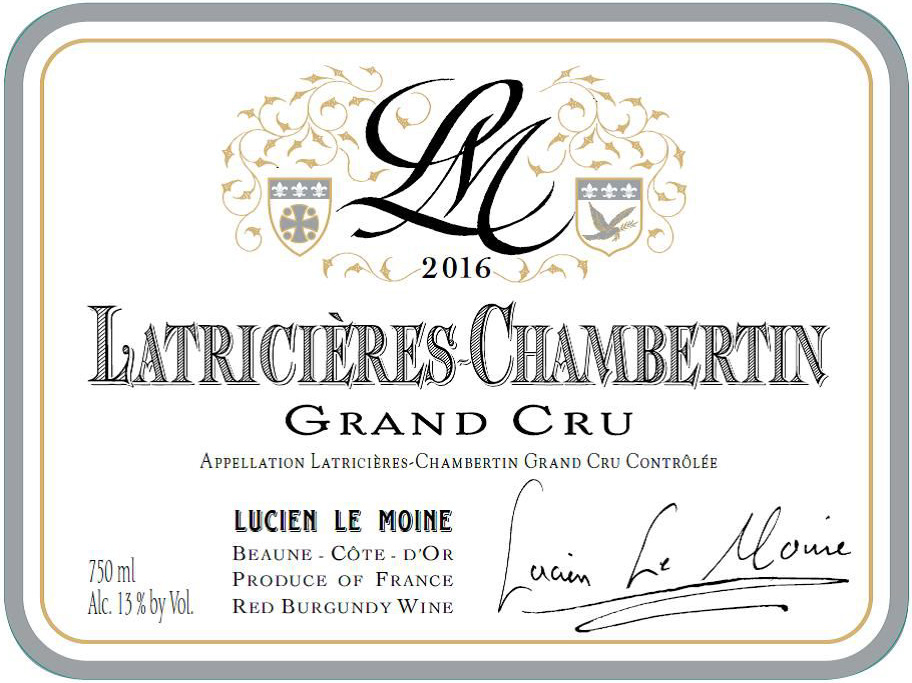
Latricières-Chambertin Grand Cru
Latricières-Chambertin Grand Cru
Latricières is often thought of as a “sturdy” Gevrey-Chambertin Grand Cru, Le Moine’s 2014 has an overtly elegant side that comes through, surprising and exceptionally promising.
Lucien Le Moine
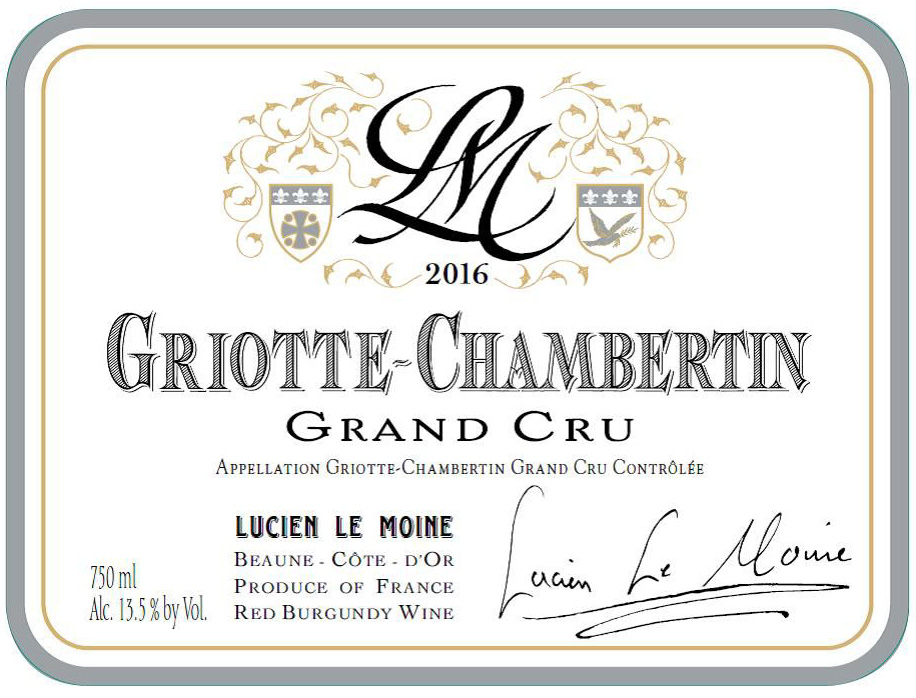
Griotte-Chambertin Grand Cru
Griotte-Chambertin Grand Cru
Griotte-Chambertin is one of the most elusive Grand Crus in Burgundy; it’s the smallest Grand Cru in Gevrey at only 3 hectares in size. The vineyard faces north-east, which means the vines are not fully exposed to the morning sunshine - this contributes to the fresher, less masculine style of its wines.
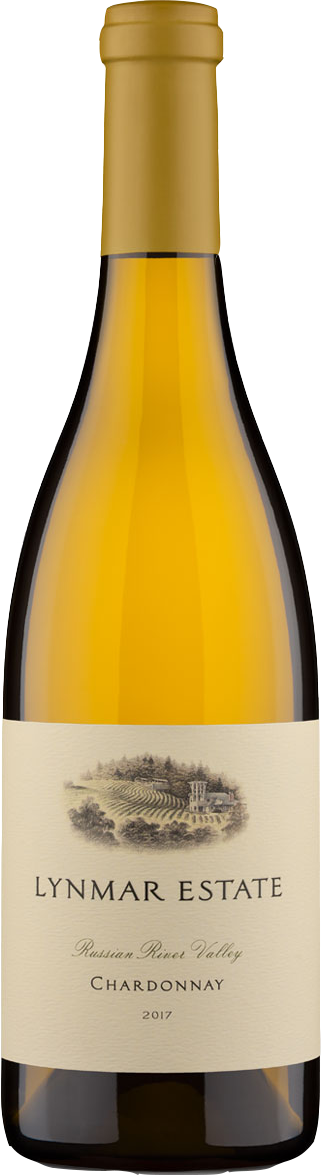
Lynmar Estate
Russian River Valley Chardonnay
Russian River Valley
This classic representation of Russian River Chardonnay from Lynmar features a selection of clones, each vinified separately and blended together, that show the range of flavors and textures that can be achieved in this climate.
